Flag handover from Sweden to Finland

- Lilla Salen
- Thursday, Sep 10 2026 13:30 - 15:00
- Track
- Plenary
- Session
- Closing Session
Abstract
The traditional handover from existing host Sunet represented by Per Nihlén to the host NREN for 2028 Kimmo Koski of CSC.
The Cloud is in the Sea
- Lilla Salen
- Tuesday, Sep 08 2026 16:00 - 17:30
- Track
- Plenary
- Session
- Lightning Talks
Abstract
Christer will talk about the importance of submarine cables.
Links
The University Alliances perspective

- Olga
- Thursday, Sep 10 2026 09:00 - 10:30
- Track
- Track 3
- Session
- Educational interoperability
Abstract
N/A
Links
Keynote: Space as a workplace
- Lilla Salen
- Wednesday, Sep 09 2026 09:00 - 10:30
- Track
- Plenary
- Session
- Wednesday Plenary Session
Abstract
Kris Capelle, head of training activities at the European Astronaut Centre in Köln, Germany, is ready to introduce NDN 2026 participants to the world of human spaceflight.
Welcome to Luleå
- Lilla Salen
- Tuesday, Sep 08 2026 09:00 - 10:30
- Track
- Plenary
- Session
- Opening Session
Abstract
N/A
Words from the CEO

- Lilla Salen
- Tuesday, Sep 08 2026 09:00 - 10:30
- Track
- Plenary
- Session
- Opening Session
Abstract
NORDUnet CEO Valter Nordh will share news and views from his desk
Scaling SSH acces in EuroHPC by leveraging federated identity
- Lilla Salen
- Tuesday, Sep 08 2026 16:00 - 17:30
- Track
- Plenary
- Session
- Lightning Talks
Abstract
This talk will cover the work done to scale secure SSH access to resources by leveraging federated identity and SSH certificates in the EuroHPC Federation Platform
Links
Educational interoperability - why is it important
- Olga
- Thursday, Sep 10 2026 09:00 - 10:30
- Track
- Track 3
- Session
- Educational interoperability
Abstract
N/A
Links
Dutch Cross-Border Trials - Harder, Better, Faster, Longer
- Lilla Salen
- Tuesday, Sep 08 2026 16:00 - 17:30
- Track
- Plenary
- Session
- Lightning Talks
Abstract
We will share insights we gained from various 800-2000 Gbps data transfer trials between major data sinks and sources in Europe, using conventional and OpenZR+ technologies.
Links
Panel discussion
- Lilla Salen
- Thursday, Sep 10 2026 09:00 - 10:30
- Track
- Track 1
- Session
- Bridging Borders: Geopolitics, Collaboration, and the Evolving Role of NRENs
Abstract
N/A
Sustainability - Data Centres

- Martin + Ingemar
- Thursday, Sep 10 2026 09:00 - 10:30
- Track
- Track 2
- Session
- Sustainability
Abstract
N/A
Links
20/20 hindsight - A retrospective view of a security incident at the University of Akureyri
- Martin + Ingemar
- Thursday, Sep 10 2026 11:00 - 12:30
- Track
- Track 2
- Session
- Security in the field
Abstract
Hindsight makes every incident look obvious. Inside one, very little is. When CERT-IS called to say Active Directory data from the University of Akureyri was in the wild, decisions came long before facts. This retrospective covers the assumptions we carried, why containment beat certainty, how communication shaped the response, and the questions every institution should answer before the call comes.
Links
The EC view about EU e-Infrastructure landscape and its future development
- Martin + Ingemar
- Tuesday, Sep 08 2026 11:00 - 12:30
- Track
- Track 2
- Session
- The community we serve
Abstract
For many years, we have built our digital architecture through separate but highly valuable initiatives: high-performance computing, cloud and edge, data spaces, scientific infrastructures, connectivity programmes, platform regulation, and digital identity. Each of these has progressed significantly in its own right. What is changing now is that these are no longer best understood as isolated policy files. They are becoming part of a single, strategic e-infrastructure landscape. That landscape underpins not just digital transformation in the abstract, but very concrete European capabilities: training and deploying AI, enabling trusted cross-border public services, supporting science and industrial innovation, reinforcing resilience, and reducing strategic dependencies.
Links
Why we chose CNaaS as our networking solution
- Lilla Salen
- Wednesday, Sep 09 2026 14:00 - 15:30
- Track
- Track 1
- Session
- Campus networks
Abstract
The talk will follow Örebro University's journey in selecting CNaaS as its campus network solution and how the close partnership with SUNET contributed to the project's success and became a positive example within the department.
Links
AI, What are we doing?
- Lilla Salen
- Tuesday, Sep 08 2026 16:00 - 17:30
- Track
- Plenary
- Session
- Lightning Talks
Abstract
A call for a more cooperative and shared approach to AI in the Nordic.
Links
Pan European Sovereign Object Storage
- Lilla Salen
- Tuesday, Sep 08 2026 16:00 - 17:30
- Track
- Plenary
- Session
- Lightning Talks
Abstract
N/A
Links
BBMRI - how medical data is used for research

- Olga
- Thursday, Sep 10 2026 11:00 - 12:30
- Track
- Track 3
- Session
- Data demands for sharing, re-use, and training
Abstract
N/A
Links
Field notes from the Ice Edge
- Lilla Salen
- Tuesday, Sep 08 2026 16:00 - 17:30
- Track
- Plenary
- Session
- Lightning Talks
Abstract
eva will report on the work done and what was achieved during the expedition during the summer in the Arctic Ocean onboard of the Oden icebreaker.
American Science Cloud and Genesis Mission
- Lilla Salen
- Tuesday, Sep 08 2026 16:00 - 17:30
- Track
- Plenary
- Session
- Lightning Talks
Abstract
N/A
Links
AI Data centres
- Lilla Salen
- Tuesday, Sep 08 2026 11:00 - 12:30
- Track
- Track 1
- Session
- Network - Architecture to support AI
Abstract
N/A
Links
Where we are going with CNaaS in Sweden

- Lilla Salen
- Wednesday, Sep 09 2026 14:00 - 15:30
- Track
- Track 1
- Session
- Campus networks
Abstract
Three Nordic countries have an operational CNaaS service; Sweden, Norway and Finland. We all started around the same time, seven years ago. This talk will focus on the current situation in Sweden and Sunet's plans for the future.
Links
Getting closer to understanding the cyberthreat landscape in Norway's Higher Education and Research

- Martin + Ingemar
- Thursday, Sep 10 2026 11:00 - 12:30
- Track
- Track 2
- Session
- Security in the field
Abstract
N/A
Links
Logs or It Didn't Happen: Surviving a Platform Sunset

- Martin + Ingemar
- Thursday, Sep 10 2026 11:00 - 12:30
- Track
- Track 2
- Session
- Security in the field
Abstract
N/A
Links
The end of the beginning, a story about wallets
- Olga
- Tuesday, Sep 08 2026 14:00 - 15:30
- Track
- Track 3
- Session
- Enabling Access
Abstract
According to the revised eIDAS regulation the EU digital identity wallet should be available for all EU citizens by the end of 2026, will this really happen? As several countries have already notified delays in their timelines we already know not everyone will be ready. However we are getting close! This talk will highlight the current status of the EUDIW, work that you might want to keep an eye on and most importantly, how will this potentially affect all of us working in trust and identity!
Links
Fibre Sensing: The users and applications

- Lilla Salen
- Wednesday, Sep 09 2026 11:00 - 12:30
- Track
- Track 1
- Session
- Fibre sensing
Abstract
Who are the users and what do they use fibre sensing for? This talk will delve into the applications which are emerging in the realm of fibre sensing with a look at what drives the interest in fibre sensing data.
Sustainability at CSC's Kajaani Datacenter(s)

- Martin + Ingemar
- Thursday, Sep 10 2026 09:00 - 10:30
- Track
- Track 2
- Session
- Sustainability
Abstract
CSC operates datacenters in Kajaani hosting both national supercomputers (since 2012), EuroHPC's LUMI (since 2022) and LUMI-AI (planned 2027). The presentation handles main aspects and developments of datacenter sustainability in Kajaani, concentrating on energy efficiency and heat reuse
Links
Fiber optic sensing technology overview
- Lilla Salen
- Wednesday, Sep 09 2026 11:00 - 12:30
- Track
- Track 1
- Session
- Fibre sensing
Abstract
The talk will give an overview over available fiber optic sensing technology with focus on deployment over fiber cables used for optical communication purposes.
Links
Two years of NORDUnet, DeiC, and GEUS collaboration on fiber sensing for seismology in the Baltic Sea
- Lilla Salen
- Wednesday, Sep 09 2026 11:00 - 12:30
- Track
- Track 1
- Session
- Fibre sensing
Abstract
The Nord Stream sabotage in 2022 underscored the need for new technology for subsea monitoring. While the blasts were well recorded by traditional seismographs on land, the events highlighted the lack of offshore sensors for detection, higher precision location, and analysis of events. This led GEUS to the acquisition of an ASN OptoDAS interrogator that can turn a fiber optic cable into thousands of small seismometers. The primary interest of GEUS in this context is the detection of earthquakes, both natural tectonic earthquakes and small induced tremors from human activities such as CO2 sequestration in the subsurface. However, seismological methods detect anything that shakes if it is big enough or close enough to the instruments, leaving it to the seismologists and their algorithms to distinguish and classify the recorded events. Through a collaboration between NORDUnet, DeiC, and GEUS we were able to experiment with DAS data acquisition on the Aurora Cable from Rønne to Sassnitz from a long-term monitoring perspective. Along the way we identified challenges related to geo referencing, cable grounding, and heavy data volumes, and we were able to get information on cable stability on the seabed. We have detected many earthquakes and subsea blasts and also noted signals from ships and a single submarine. Work is ongoing to set up a pipeline for integrating real-time DAS data with data from the Danish seismological network for routine monitoring. A DeiC data connection between the landing point in Rønne and GEUS has been set up to transfer the 1Tb/day data volume being generated by the OptoDAS.
Links
Where is the EUDI Wallet ecosystem heading?
- Olga
- Tuesday, Sep 08 2026 14:00 - 15:30
- Track
- Track 3
- Session
- Enabling Access
Abstract
This talk will share Signicat’s view on where the EUDI Wallet ecosystem is heading, what the industry still needs to solve, and what Signicat is building to support it.
Links
How Meta builds backbone(s) - From Luleå and beyond.
- Lilla Salen
- Tuesday, Sep 08 2026 11:00 - 12:30
- Track
- Track 1
- Session
- Network - Architecture to support AI
Abstract
In this presentation we will take a quick look at how Meta has built three of its major backbones and how traffic is served both internally at Meta and externally to the Internet. These backbones support everything from multi-gigawatt GPU campuses to pictures of your neighbor's cats.
Panel discussion

- Martin + Ingemar
- Wednesday, Sep 09 2026 14:00 - 15:30
- Track
- Track 2
- Session
- DDOS mitigation
Abstract
N/A
Simulating Network, Routes and Datacentres
- Martin + Ingemar
- Tuesday, Sep 08 2026 14:00 - 15:30
- Track
- Track 2
- Session
- Digital Twins
Abstract
How do we simulate network configurations in general. How to simulate what happens when a link in the network disappears, or if we need to move traffic away from a link. Simulating Datacentre networking before going into fullscale deployment.
Links
Keynote Opening
- Lilla Salen
- Tuesday, Sep 08 2026 09:00 - 10:30
- Track
- Plenary
- Session
- Opening Session
Abstract
N/A
LMS services in the Nordic - present state and future delvelopment
- Olga
- Tuesday, Sep 08 2026 11:00 - 12:30
- Track
- Track 3
- Session
- Providing flexible education
Abstract
LMS platforms are the glue in the digital ecosystem, connecting a wide range of services. The Nordic countries have different traditions for managing national shared LMS services. In this session, we share experiences related to the use of LMSs and discuss the opportunities and challenges for this important service.
Links
Perspectives on media strategy and collaboration on media platforms
- Olga
- Tuesday, Sep 08 2026 11:00 - 12:30
- Track
- Track 3
- Session
- Providing flexible education
Abstract
The Nordic NRENs organize collaboration on media platforms for teaching and research. The development of these solutions is influenced by changes in user needs, the supplier market, privacy legislation, the need for long‑term storage, integrations with other platforms in the digital learning environment, and, not least, the opportunities and challenges associated with the introduction of artificial intelligence in these platforms.
Links
Rethinking assessment in times of AI

- Olga
- Wednesday, Sep 09 2026 11:00 - 12:30
- Track
- Track 3
- Session
- How AI is changing education
Abstract
AI is fundamentally changing the way we need to think about digital assessment. Much indicates that assessment methods will have to change, and there is a need to use existing services in new ways. In 2025 and 2026 the UiT the Arcitc University of Norwat developed, tested, and implementedinnovative forms of assessment that addressed the challenges arising from the widespread availability of large language models, while maintaining academic integrity, promoting learning, and reducing reliance on traditional school-based examinations. In this session, we share examples of new approaches to assessment
Implementation of 27001 at Tartu University
- Martin + Ingemar
- Wednesday, Sep 09 2026 11:00 - 12:30
- Track
- Track 2
- Session
- Security Compliance: Where are we now and what comes next?
Abstract
Building an information security management system in a large, decentralised university is rarely a straightforward exercise. This session presents the University of Tartu's path to becoming the first ISO/IEC 27001:2022 certified university in Estonia, tracing the work from initial groundwork through to successful certification. The presentation looks at how the ISMS was established in practice: defining the scope across a complex research and teaching environment, embedding risk management into everyday operations, selecting the controls that delivered genuine value, and securing meaningful engagement across faculties and support units. A university is not a typical organisation in this regard. Academic freedom, open research, distributed governance and a broad, heterogeneous system landscape all shape what is achievable, and the session addresses openly where the requirements of the standard meet the realities of academic life.
Links
Keynote Closing In a world of AI, your intuition will be your defining difference.
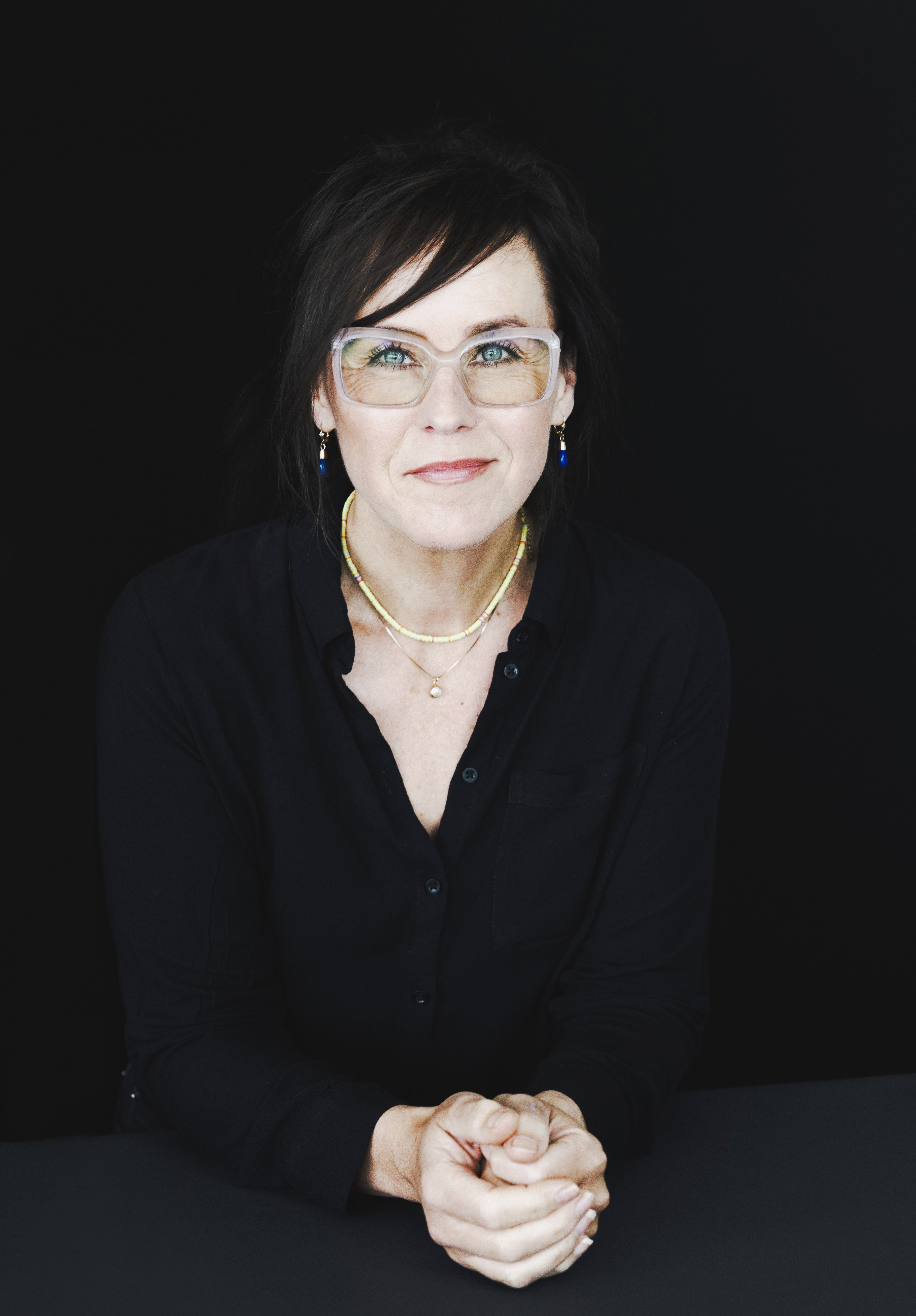
- Lilla Salen
- Thursday, Sep 10 2026 13:30 - 15:00
- Track
- Plenary
- Session
- Closing Session
Abstract
Revival of the non-artificial intelligence In a time dominated by AI, the ability to connect to human intuition will be the defining feature in our work lives. The message is delivered by Icelandic author and serial entrepreneur Hrund Gunnsteinsdóttir. Read more here https://nordu.net/revival-of-the-non-artificial-intelligence-ndn2026-keynote/ https://hrundgunnsteinsdottir.com/
The Large Hadron Collider Experiments in the Nordics: present status and the future

- Martin + Ingemar
- Tuesday, Sep 08 2026 11:00 - 12:30
- Track
- Track 2
- Session
- The community we serve
Abstract
The Large Hadron Collider (LHC) at CERN in Geneva has now completed its third data taking run since starting in 2009. It has confirmed the Standard Model of Particle Physics as being one of the most successful theoretical frameworks in the history of science, particularly with the discovery of the Higgs Boson in 2012 but also through thousands of lower profile measurements and searches, all of which have confirmed Standard Model predictions. The Nordic countries have made a huge contribution. As well as being major contributors to data analysis and the preparation of scientific publications, they have participated in the construction of major detector components and have provided computing resources and expertise. Nordic countries also host a significant knowledge base on particle accelerators. The LHC is now in its third long shutdown, and when it restarts in 2030 it will be able to produce data at up to 10 times the rate that it can presently, hopefully uncovering physics that cannot be described by the Standard Model. This will present both huge opportunities and huge challenges. I’ll discuss these, with a particular emphasis on computing, and the contributions of the Nordic countries to the future of particle physics.
Climate Digital Twins for Destination Earth
- Martin + Ingemar
- Tuesday, Sep 08 2026 14:00 - 15:30
- Track
- Track 2
- Session
- Digital Twins
Abstract
Destination Earth (DestinE) is developing a new generation of high-resolution simulations of the Earth to support climate adaptation, mitigation, and decision-making. This presentation will introduce DestinE, the Climate Change Adaptation Digital Twin (ClimateDT), and the Earth System Digital Twin (TerraDT), with a focus on the software infrastructure behind them. It will highlight that building these Digital Twins is not only a modelling challenge, but also a major data-infrastructure challenge, requiring efficient data movement, storage, and access through Data Bridges and the DestinE Data Lake. Finally, the presentation will briefly highlight applications of these Digital Twins, including maritime spatial planning and navigation, and energy production.
Links
NordiQCI – networking with the stars
- Lilla Salen
- Tuesday, Sep 08 2026 14:00 - 15:30
- Track
- Track 1
- Session
- Quantum and Time & Frequency networks
Abstract
This presentation shares the ambitions, plans and recent progress of the NordicQCI project. This cross-border initiative creates secure quantum infrastructure (submarine fiber, QKD satellite, trusted nodes etc.) links between Finland, Estonia and Sweden. We present ongoing deployment steps, technologies, challenges (including inter-domain key management) and synergies with neighboring QCI networks. Furthermore, in development is our custom optical ground station in Stockholm, which validates QKD technologies from low earth orbit and connects the Nordics with the rest of Europe.
Links
Towards Educational Interoperability – The Ladok Edu-API Journey
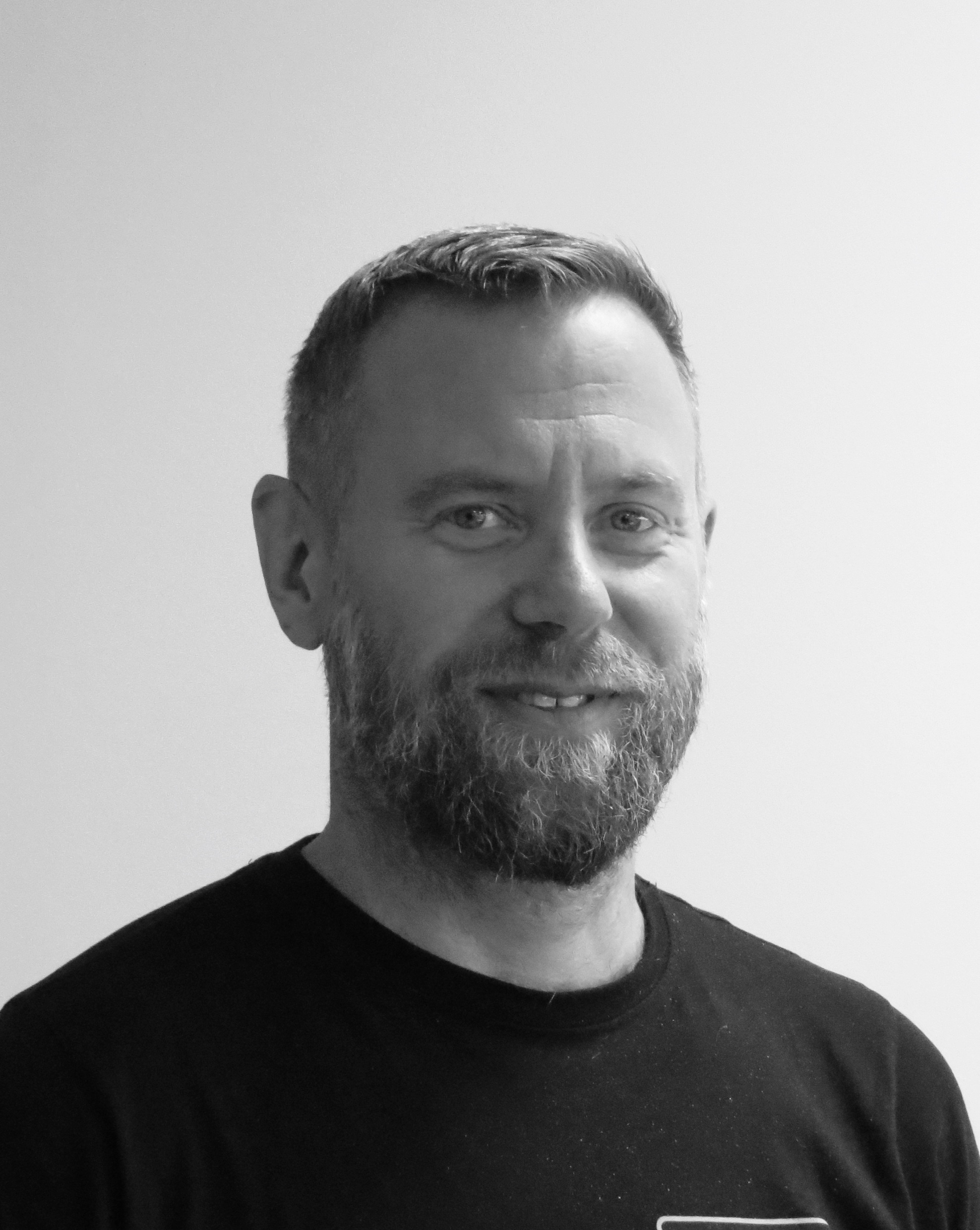
- Olga
- Thursday, Sep 10 2026 09:00 - 10:30
- Track
- Track 3
- Session
- Educational interoperability
Abstract
Over the past decade, Ladok has evolved from proprietary integrations towards open, standards-based interoperability. Along the way we have built our own APIs, integrated learning platforms through LIS, contributed to the development of Edu-API, and become the first organization to achieve Edu-API certification. This session shares Ladok's experience from the perspective of a national Student Information System. It covers why we chose to engage in international standardization, what we have learned from adopting and contributing to Edu-API, and how standards can help create a more interoperable educational ecosystem without ignoring national requirements. The session also reflects on the challenges that remain and invites discussion on how institutions, solution providers, and standards organizations can work together to advance educational interoperability.
Swedish AI factory and data
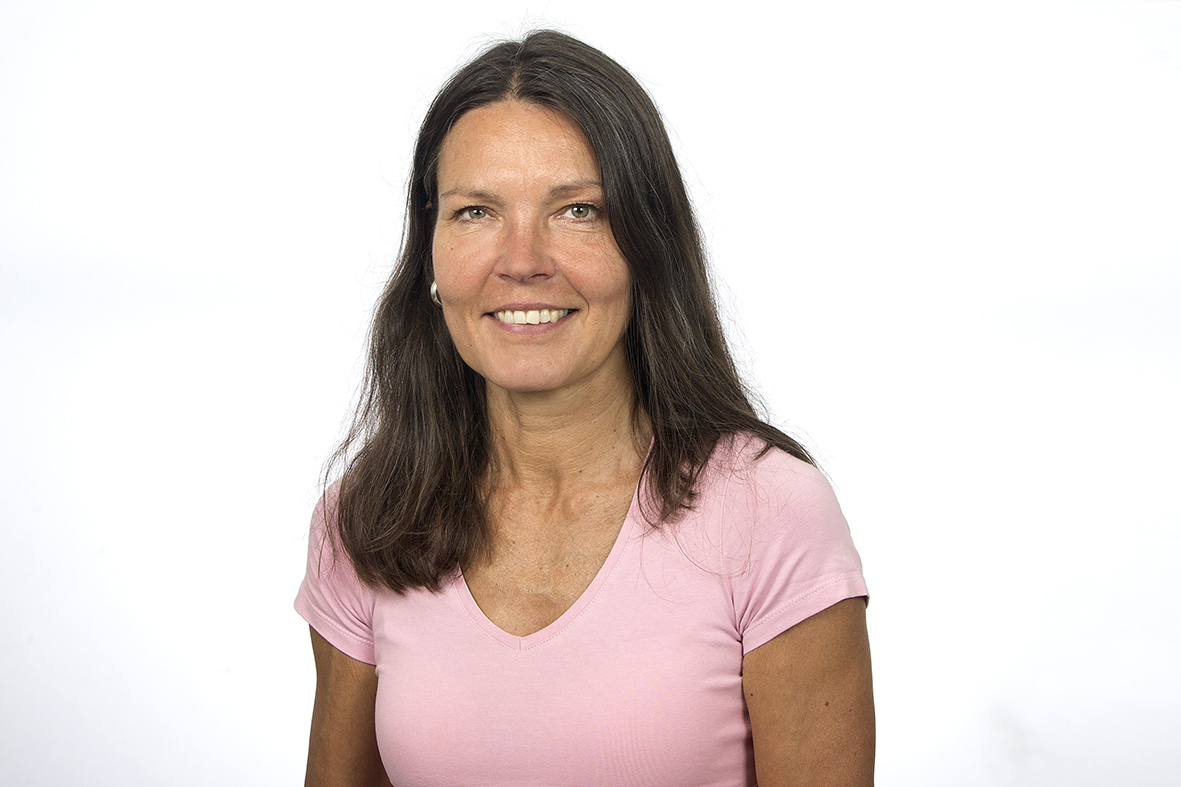
- Olga
- Thursday, Sep 10 2026 11:00 - 12:30
- Track
- Track 3
- Session
- Data demands for sharing, re-use, and training
Abstract
What decisions do we want to make ourselves, and what data truly creates value in AI factories? The global race between countries and organizations to lead in leveraging, developing, and gaining economic advantage from new ways of using the data we humans, generate, is fast. What do we want the data-driven landscape in the Nordic to look like? How are we working together to ensure that the skills, opportunities and infrastructure will shape outcomes in line with the values that define the Nordic region.
Rethink assessment in a world increasingly shaped by AI & increase learner employability at the same time
- Lilla Salen
- Tuesday, Sep 08 2026 16:00 - 17:30
- Track
- Plenary
- Session
- Lightning Talks
Abstract
What if you could rethink assessment in a world increasingly shaped by AI and increase your learners' employability at the same time? AI is now a part of everyday life for students, teachers, and policymakers. Initially, the response has been to Police, Procter and Punish those who use it as part of their studies, exams, and thesis. But it is a key part of the world of work, research, and study so collectively we can’t ignore it. It does expose inherent weaknesses in most (traditional) approaches to assessment that rely heavily on written text or digital exams. At the same time, the focus is shifting to the learning process, feedback, and reflection, the struggle to overcome obstacles and frustration which is widely reported to increase outcomes in relevant research both in Europe and worldwide. A test score only reveals where a student is right now, not where they can end up! Portflow is the digital Learning Experience Portfolio that helps institutions move beyond traditional, one-time testing to a more holistic approach to assessment: process over product: the development of skills and competencies over time.
Links
Cybersecurity & compliance – NIS2 is in force
- Martin + Ingemar
- Wednesday, Sep 09 2026 11:00 - 12:30
- Track
- Track 2
- Session
- Security Compliance: Where are we now and what comes next?
Abstract
The NIS2 Directive is now in force, introducing stricter cybersecurity and governance requirements for organizations across critical and important sectors within the EU. This presentation provides an overview of how compliance and cybersecurity responsibilities within organizations need to be aligned. The challenges from overlapping requirements across multiple regulations will be addressed. We will discuss common compliance challenges and provide practical tips on how to manage them effectively.
Links
DDOS in 2026 ... how bad is it?
- Martin + Ingemar
- Wednesday, Sep 09 2026 14:00 - 15:30
- Track
- Track 2
- Session
- DDOS mitigation
Abstract
The rapid rise of AI is reshaping the internet, driving both unprecedented opportunities and a new generation of large-scale cybersecurity threats. In particular, AI-driven demand for data has fueled the explosive growth of residential proxy networks, which are increasingly exploited to create massive, highly distributed botnets. These botnets, comprising millions of compromised consumer devices, now enable DDoS attacks at previously unseen scale; up to 100× larger capacity and thousands of times more endpoints. This evolution marks a shift from traditional, externally sourced attacks to infrastructure-level threats, where malicious traffic originates from legitimate residential IP addresses, making detection and mitigation significantly more difficult. As a result, DDoS attacks now impact not only enterprises but also core network infrastructure, causing outages, degrading customer experience, and damaging operator reputations.
Intro to the future of NRENs panel
- Lilla Salen
- Thursday, Sep 10 2026 11:00 - 12:30
- Track
- Track 1
- Session
- The future of NRENs - is there one?
Abstract
Erik will set the scene for the panel that he will be moderating
Keynote: Sensing the Deep Ocean: Distributed Fiber Sensing Over Operational Trans-Oceanic Subsea Cables

- Lilla Salen
- Wednesday, Sep 09 2026 09:00 - 10:30
- Track
- Plenary
- Session
- Wednesday Plenary Session
Abstract
Fiber-optic sensing is rapidly transforming existing telecom infrastructure into a dense, distributed sensor network. Early work focused on leveraging coherent telecom transponders (transceiver sensing) and conventional Distributed Acoustic Sensing (DAS) for terrestrial links. While powerful, traditional DAS relies on Rayleigh backscattering, severely restricting its reach to the first optical repeater—typically 50–80 km. This fundamental constraint prevented its use for long-reach deep-ocean monitoring via the global submarine cable network, despite the critical need for real-time oceanographic and seismic sensors. This presentation details the breakthrough required to realize global, deep-ocean sensing. We demonstrate that the first-repeater limit is not fundamental. By leveraging existing, weak monitoring couplers, distributed sensing is now feasible over the entire cable length of transoceanic systems. This long-reach DAS adaptation is fully compatible with live telecom fibers. A prototype system installed on a domestic 4,400 km subsea cable connecting California and Hawaii has transformed it into a distributed strain sensor with 44,000 sensor points. We present recent, landmark results, including the first fiber-optic deep-ocean high-resolution seismic arrivals from the M8.8 Kamchatka earthquake and the first demonstration that standard telecom cables can detect and track tsunami waves in the deep ocean. These results establish a scalable pathway to use existing and future submarine cables for a global deep-ocean sensing network, without any modification or loss in throughput.
Building Customer-Centric Way of Working: The CSC Approach
- Olga
- Wednesday, Sep 09 2026 14:00 - 15:30
- Track
- Track 3
- Session
- Stakeholder management
Abstract
CSC plays a key role in supporting research, education, and innovation in Finland. This presentation provides an overview of CSC, its diverse customer base, and the strategic importance of customer-centricity in enabling impactful services and long-term partnerships. The session will explore how CSC has embedded customer focus into its strategy through the Customer Agenda and how this is translated into practice through the Customer Care Model and customer relationship management (CRM) processes. By sharing practical experiences and lessons learned, the presentation aims to provide insights into how customer-centric thinking can strengthen service quality, organizational effectiveness, and stakeholder engagement in research and education support organizations.
Links
UniDig.se
- Olga
- Wednesday, Sep 09 2026 14:00 - 15:30
- Track
- Track 3
- Session
- Stakeholder management
Abstract
Swedish higher education institutions face common challenges related to digitalisation, cybersecurity, rising costs and increasing dependence on global technology providers. To address these challenges, 38 universities and university colleges have established UniDig, a national collaboration framework that strengthens strategic coordination while preserving institutional autonomy. This presentation explains why UniDig was created, how it is governed, and how priorities are managed across the sector. The session will share practical lessons from building national coordination in a highly decentralized university landscape, including how to balance local independence with the benefits of collective action. It is aimed at NREN leaders, higher education decision-makers and digitalisation professionals interested in strengthening collaboration and creating sustainable digital ecosystems for higher education.
Connecting Finnish Research Data to Europe: EOSC Federation, EOSC Finland Node, and the LUMI AI Factory
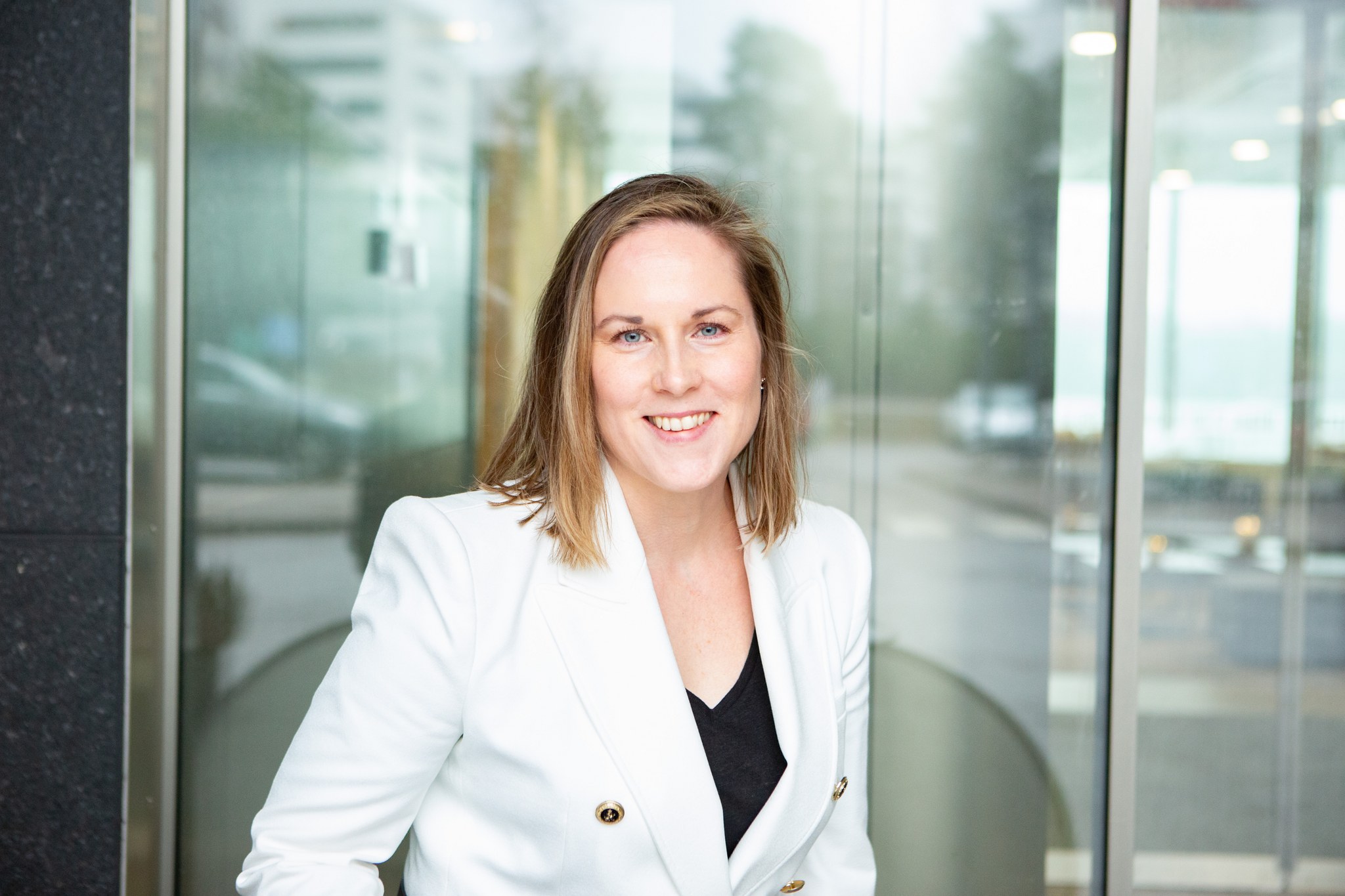
- Olga
- Thursday, Sep 10 2026 11:00 - 12:30
- Track
- Track 3
- Session
- Data demands for sharing, re-use, and training
Abstract
The European Open Science Cloud (EOSC) is evolving into a federated European ecosystem that enables seamless access to FAIR research data and services across national and thematic infrastructures. This presentation introduces the EOSC Federation and its ongoing build-up towards a sustainable and interoperable research environment, before highlighting the role of the EOSC Finland Node as Finland’s gateway to EOSC. Coordinated by CSC, the EOSC Finland Node serves as a coordination and interoperability layer that connects Finnish research services, promotes FAIR and "born FAIR" data practices, supports cross-border collaboration, and provides access to European resources through federated services and identities. The presentation also explores the LUMI AI Factory from a data perspective, focusing on its Data Labs and Dataset-as-a-Service capabilities. These services support the discovery, preparation, sharing, and reuse of high-quality datasets for AI and data-intensive research, complementing EOSC’s objectives of FAIR data stewardship, interoperability, and cross-border access. Together, EOSC, the EOSC Finland Node, and the LUMI AI Factory demonstrate how integrated data ecosystems can strengthen European research, innovation, and AI development.
Links
The Rythm of LLM
- Lilla Salen
- Tuesday, Sep 08 2026 16:00 - 17:30
- Track
- Plenary
- Session
- Lightning Talks
Abstract
Generative content is everywhere; from texts, picture to music and video. Talking from a personal view. Audience will be asked a couple of easy questions.
Quantum Safe Networking in IP and DWDM networks.
- Lilla Salen
- Tuesday, Sep 08 2026 16:00 - 17:30
- Track
- Plenary
- Session
- Lightning Talks
Abstract
QKD networks over optical fiber cable infrastructure have significant practical limitations. We will talk about alternative ways of implementing Quantum Safe Networks in long-distance terrestrial and submarine DWDM networks as well as in IP WAN networks.
Links
Sustainable Working practices in Asiera
- Martin + Ingemar
- Thursday, Sep 10 2026 09:00 - 10:30
- Track
- Track 2
- Session
- Sustainability
Abstract
Andy Byrne is a Project Manager in the Innovation, Research and Development team at Asiera, Ireland’s National Research and Education Network. Over the past three years, he has led the development and delivery of Asiera’s Sustainability Strategy, with a strong focus on improving network energy efficiency. Guided by Science Based Targets, Asiera has implemented a series of practical, measurable initiatives that have reduced emissions and improved operational efficiency across its network infrastructure. In this talk, Andy will share real world examples of these initiatives, focusing on approaches that are directly applicable to service provider networks. Attendees will gain insight into what works in practice, where the biggest gains can be achieved, and how Network operators can take tangible steps towards more sustainable network operations.
Links
Sovereign Campus Network Services

- Lilla Salen
- Wednesday, Sep 09 2026 14:00 - 15:30
- Track
- Track 1
- Session
- Campus networks
Abstract
Reliable and secure connectivity is the backbone of any modern university campus. While the obvious components, Wi‑Fi access points, switches and core routers, are essential, true campus‑wide resilience also depends on a broader set of elements: network policies, security frameworks, authentication mechanisms, DHCP and IP‑address management, automation, AI‑driven analytics, SIEM platforms, systematic cable‑management tools, and more. In the Campus Network Services (CNS) vision we propose an interoperable architecture that brings all of these building blocks together. By avoiding vendor lock‑in, universities retain technological sovereignty, reduce migration and license costs, and protect data integrity when switching suppliers or adopting new standards. In this talk, SURF will present concrete use‑cases and share the experiences gained while developing a number of core building blocks. We will discuss the organisational and technical challenges and the successes encountered with the CNaaS NMS platform deployed in a Juniper environment, the development of Network Access Control (NAC), our iotroam solution, and our wish to incorporate Argus.
Links
What happens when an entire country decides that AI should transform not only the use of technology in schools, but teaching and learning itself?
- Olga
- Wednesday, Sep 09 2026 11:00 - 12:30
- Track
- Track 3
- Session
- How AI is changing education
Abstract
AI Leap is a national initiative launched under the vision of the President of the Republic of Estonia, inspired by his statement: “We’ll learn to use artificial intelligence not the most, but the smartest.” In collaboration with OpenAI, Estonia has created access to ChatGPT-based learning tools for all upper secondary school teachers and students, while simultaneously rethinking how teaching and learning can evolve in the age of generative AI. But AI Leap is far from being a technology deployment project. At its core lies a deeper educational question: how can AI support curiosity, independent thinking, and meaningful learning rather than simply automate schoolwork? At the same time, researchers from the University of Tartu, in collaboration with Stanford University, are studying the real educational impact of the initiative. The presentation will explore the ambitions behind AI Leap, the challenges and risks emerging along the way, and the early signals of success — as Estonia attempts one of the world’s most ambitious national AI-in-education developments.
Links
Stakeholder Management
- Olga
- Wednesday, Sep 09 2026 14:00 - 15:30
- Track
- Track 3
- Session
- Stakeholder management
Abstract
An NREN has a distinctive role in the space between shared digital infrastructure and the concrete needs that emerge across research and education institutions. This perspective is informed by my experience as a manager both within an NREN and across several Universities. On the one hand, an NREN is expected to provide stable, secure, and scalable foundational components that institutions can trust, and which may not arise through isolated local demand. On the other hand, an NREN risks losing relevance if its services are primarily defined from the inside out and do not sufficiently reflect the actual needs, priorities, and maturity of the institutions it serves. An NREN has a distinctive role in the space between shared digital infrastructure and the concrete needs that emerge across research and education institutions. This perspective is informed by my experience as a manager both within an NREN and across several Universities. On the one hand, an NREN is expected to provide stable, secure, and scalable foundational components that institutions can trust, and which may not arise through isolated local demand. On the other hand, an NREN risks losing relevance if its services are primarily defined from the inside out and do not sufficiently reflect the actual needs, priorities, and maturity of the institutions it serves. The balance between supply-driven and demand-driven services is therefore not a choice between two governance logics, but a leadership responsibility. Demand-driven services ensure proximity to users, legitimacy in prioritisation, and a stronger likelihood that solutions will be adopted and used in practice. At the same time, there are infrastructure components for which a purely demand-driven principle is insufficient, because their value only emerges when common standards, capacity, security, and long-term coherence are established across institution.
Links
GreenCode Constitution: Agent Principles for Optimizing Code and LLM Inference Energy Use

- Martin + Ingemar
- Thursday, Sep 10 2026 09:00 - 10:30
- Track
- Track 2
- Session
- Sustainability
Abstract
Large Language Models (LLMs) are effective for automated software engineering, yet LLM-based code optimization has largely overlooked energy consumption. We introduce GreenCode Constitution, an agentic framework that equips LLMs with a hierarchy of energy-efficiency principles to automatically detect and refactor energy anti-patterns in existing codebases. Rather than relying on ad hoc prompting, the agent evaluates candidate refactoring against a structured rubric spanning algorithmic complexity, memory behavior, and infrastructure utilization. Applied to the highly optimized llama.cpp inference engine and three other open-source projects, we demonstrate that agents can meaningfully optimize software energy use, including the software behind LLMs themselves. We open-source the constitution and its framework.
Links
The Optical Network Digital Twin: New Frontiers Beyond QoT Estimation
- Martin + Ingemar
- Tuesday, Sep 08 2026 14:00 - 15:30
- Track
- Track 2
- Session
- Digital Twins
Abstract
The Optical Network Digital Twin (ONDT) — a real-time, closed-loop representation that estimates end-to-end Quality of Transmission and feeds decisions back into the network — is quickly becoming more than a QoT engine. This talk uses the ONDT as a common thread across new directions the community is actively pushing. First, QoT-aware operations: how the open-source GNPy already lets operators exploit multi-vendor and multi-generation interoperability, tighten conservative design margins, and coordinate spectrum across operators — moving from static, worst-case planning to model-driven decisions. Second, sensing: how the same fiber that carries traffic can also sense it, extending the twin from a model of signal quality to a model of physical integrity — detecting cuts, intrusions and environmental anomalies for critical infrastructure. Third, language: large language models, grounded via retrieval-augmented generation in the twin's live topology and telemetry, as a natural-language interface for troubleshooting and provisioning — promising for management, still risky for closed-loop control. Across all of them, the same open questions recur: open interfaces between the twin's passive (inventory) and active (simulation) layers, and open, shared data to keep every layer accurate. I will close on where hybrid physical/machine-learning optical line system models fit into this picture, and what's still missing before any of these frontiers is production-ready.
Links
Behind the scenes at EuroHPC Hyperconnectivity Supporting a federated, ultra-high performance network
- Lilla Salen
- Tuesday, Sep 08 2026 11:00 - 12:30
- Track
- Track 1
- Session
- Network - Architecture to support AI
Abstract
In September 2025, the EuroHPC JU (JU) awarded a Framework Agreement to GÉANT to coordinate and deliver connectivity to High Performance Computing (HPC) sites under the EuroHPC programme. This covered the design, implementation, and operation of the hyperconnectivity infrastructure over a period of 48 months. This new, federated, ultra-high bandwidth network builds upon the reliable and secure GÉANT network to create a hyperconnected infrastructure with terabits-per-second transmission capabilities. It is a multi-country ecosystem that leverages the reach and expertise of European NRENs, and will greatly enhance data exchange between EuroHPC supercomputers, national supercomputers, AI Factories, quantum facilities, as well as research and data centres across Europe. Join me for an introduction to the service, including key features and the organisations involved in improving data exchange across Europe
Links
ELIXIR Europe - Enabling access to large-scale European life science data resources for AI development

- Martin + Ingemar
- Tuesday, Sep 08 2026 11:00 - 12:30
- Track
- Track 2
- Session
- The community we serve
Abstract
ELIXIR, the European infrastructure for life sciences information and services bridges the widening gap between Europe’s exponentially growing life science data—projected at 500–800 PB by 2025—and the compute capacity of European HPC centres and AI Factories. With the upcoming European Health Data Space regulation, the secondary reuse of data, especially datasets derived from humans, faces severe technical and administrative bottlenecks. To transform multimodal health and biodiversity data into AI-ready assets, Europe must overcome infrastructure fragmentation by tightly coupling distributed data repositories with AI/HPC and scientific cloud environment services. Crucially for the European networking community, bidirectional "Data-to-AI" pipeline relies fundamentally on advanced network technology to facilitate massive, high-throughput, cross-border data movement securely. Furthermore, because this entails sharing highly sensitive healthcare datasets, robust federated identity and access management (IAM) technology and standards are a requirement. IAM frameworks help enforce ELIXIR’s core security and confidentiality by design principles, ensuring that only authenticated researchers and algorithms can interact with protected digital resources, thereby enabling critical precision medicine use cases like the European Cancer Mission.
Links
The Invisible Infrastructure: How Europe's NRENs Power Higher Education
- Lilla Salen
- Tuesday, Sep 08 2026 16:00 - 17:30
- Track
- Plenary
- Session
- Lightning Talks
Abstract
Across Europe, every country has built its own path to educational digital infrastructure. Different NRENs, different stakeholders, different national services, all serving their own higher education ecosystems. But as university alliances form across borders and students move more fluidly than ever, that diversity becomes a challenge: how do 40+ national systems actually talk to each other? In this lightning talk, I'll take you on a fast tour of the European NREN educational landscape, the national ecosystems, the key players, the services already in place, and show where the Higher Education Interoperability Framework fits in as the connective tissue making cross-border collaboration possible.
Links
The Nordic High-Accuracy Time Distribution Network
- Lilla Salen
- Tuesday, Sep 08 2026 14:00 - 15:30
- Track
- Track 1
- Session
- Quantum and Time & Frequency networks
Abstract
In this talk we will present solutions for low-cost deployments of terrestrial time services by sharing the existing optical data links with high-accuracy white rabbit time distribution. Further, we will present the first deployment of such a network in a 2700+ km white rabbit time network interconnecting National Metrology Institutes (NMIs) through NRENs across the Nordic region and into mainland Europe. Ultimately, this pilot project serves as a foundational step toward building robust, pan-Nordic and European terrestrial timing backbone capable of supporting fundamental physics research and securing critical infrastructure.
Links
NREN’s Role as a Meeting Facilitator for Higher Education
- Lilla Salen
- Tuesday, Sep 08 2026 16:00 - 17:30
- Track
- Plenary
- Session
- Lightning Talks
Abstract
The talk will present practical examples of how CSC has facilitated regular admin meetings online, creating a forum where participants can exchange experiences, discuss common challenges, and learn from each other. Sampsa will also describe how CSC coordinated a cross-institutional working group that developed a shared Data Protection Impact Assessment (DPIA) template, demonstrating how collaboration can reduce duplicated work and produce results that benefit the entire higher education sector.
Links
Why are we still talking about time and frequency?
- Lilla Salen
- Tuesday, Sep 08 2026 14:00 - 15:30
- Track
- Track 1
- Session
- Quantum and Time & Frequency networks
Abstract
Distribution of time and frequency signals is an advanced network technology topic in support of fundamental science. It allows synchronisation and calibration of high-precision time sources and supports research into the time source technology. High-precision time distribution also enable science applications with a requirement of very precise time or clock synchronisation. As infrastructure become more complex, such application with a need for knowing time with an accuracy beyond traditional network protocols is growing. Alternative time distribution methods have in recent years been exposed as fragile, and are seen as a risk in a changing geopolitical environment. Hence, we need robust, accurate, and reliable network-based time distribution more than ever. This talk will outline drivers for network based time distribution, from advanced science applications to functions critical for society. The talk will discuss and give examples of some of the risks of current time distribution methods, and outline alternatives based on optical networks. We will present some of the challenges involved, and will make the case for why NRENs are especially well placed to address these challenges.
Links
The QCI.dk-CB Project
- Lilla Salen
- Tuesday, Sep 08 2026 14:00 - 15:30
- Track
- Track 1
- Session
- Quantum and Time & Frequency networks
Abstract
TBA
Links
Enabling access to EOSC and EuroHPC
- Olga
- Tuesday, Sep 08 2026 14:00 - 15:30
- Track
- Track 3
- Session
- Enabling Access
Abstract
MyAccessID is the GÉANT service that gives the European research community a single, trusted way to authenticate to the infrastructures they rely on. Built on the GÉANT Core AAI Platform and following the AARC Blueprint Architecture, it acts as a proxy between identity federations and connected infrastructures. Researchers sign in with the credentials they already hold through eduGAIN, receive an identifier that is consistent across connected services, and are identified to those services through a standardised attribute set, over OpenID Connect, OAuth 2.0 and SAML. This presentation describes two deployments. MyAccessID is the common identity layer of EOSC, serving all EOSC Nodes including the EOSC EU Node, and the federated identity layer that the EuroHPC Federation Platform connects to for access to European supercomputing resources.
Links
Is a leased line really unknown? Discovering a DWDM network with Tomography

- Lilla Salen
- Tuesday, Sep 08 2026 16:00 - 17:30
- Track
- Plenary
- Session
- Lightning Talks
Abstract
The concept of optical networks has changed significantly in recent years. What was once an infrastructure owned by an operator, who was responsible for ensuring the correct transmission of its own traffic data, has evolved into a commodity owned and managed by one operator, while the data themselves are transmitted by a third-party entity. In such a context, it becomes challenging to optimize transmission parameters in order to maximize both the reach and the capacity that can be assigned to an optical channel when the characteristics of the underlying optical infrastructure are not fully known. To address these challenges, a new control system functionality, called Tomograpy, provides an effective solution. The principle is based on extracting information on nonlinear effects and chromatic dispersion accumulated through the fiber spans and processing those information to derive the power profile and the structure of the network crossed. Thanks to this technology, the owner of the service will be able to provide an accurate and comprehensive description of the leased infrastructure. Tomography is a powerful new tool for discovering and monitoring the links traveled by an optical channel, making dark fibers clearer.
Links
The AARC TREE is branching out
- Lilla Salen
- Tuesday, Sep 08 2026 16:00 - 17:30
- Track
- Plenary
- Session
- Lightning Talks
Abstract
The AARC (Authentication and Authorisation for Research and Collaboration) community has worked for more than a decade to define and evolve a framework for federated access, through interoperable authentication and authorisation infrastructures for research communities. This work has been driven primarily by the needs of the research communities themselves. To date, the AARC framework underpins the EOSC AAI, the EUROHPC AAI, and the Erasmus+ AAI. Given the structural similarity between the use cases seen in the education sector (mainly Erasmus+ and university alliances) and those in the research communities, work has started to explore how to profile AARC to support these use cases as well.
Less than 1%, yet reach in Knowledge
- Lilla Salen
- Tuesday, Sep 08 2026 16:00 - 17:30
- Track
- Plenary
- Session
- Lightning Talks
Abstract
Despite growing investment in African research and innovation, the majority of scholarly work produced across the continent- dissertations, theses, journal articles, and reports— remains invisible to the global scientific community. The problem is not a lack of research. It is a structural failure: research is produced without persistent identifiers, published in journals that are not indexed, and hosted on infrastructure that does not interoperate with global discovery platforms. In the worst cases, African research is published abroad, the rights are transferred to foreign publishers, and the knowledge is paywalled back to the institutions that produced it. This lightning talk argues that research and education networks are uniquely positioned to close this gap; Not as observers, but as infrastructure operators. Drawing on WACREN's experience building sovereign open science infrastructure across West and Central Africa, the talk presents a working model: persistent identifiers through PIDsLink, open access publishing through PublishNow, and a regional repository through BAOBAB, all hosted on WACREN's backbone infrastructure. The case study is Ghana, where 635,000 tertiary students produce an estimated 500,000 dissertations and 15,000 theses annually, but fewer than 3,000 papers reach any indexed journal. The question is not whether Africa has a knowledge problem. It is whether the global R&E networking community will treat African research infrastructure as a shared responsibility.
Links
What We Talk About When We Talk About the GREN
- Lilla Salen
- Tuesday, Sep 08 2026 16:00 - 17:30
- Track
- Plenary
- Session
- Lightning Talks
Abstract
N/A
Links
Panel on the future of NRENS
- Lilla Salen
- Thursday, Sep 10 2026 11:00 - 12:30
- Track
- Track 1
- Session
- The future of NRENs - is there one?
Abstract
This session highlights the urgent and mounting challenges facing Nordic NRENs, now operating on a rapidly shifting and increasingly potentially unsustainable foundation. Pressures from rising costs, escalating cybersecurity threats, and accelerating demand are converging at once. Existing models for funding, infrastructure, and collaboration are being pushed to their limits. Without decisive adaptation, the ability to support research and education at scale is at risk. The session brings together representatives from the Nordic NRENs to discuss that challenges facing the NREN under the inspiring guidance of Erik Kikkenborg. This session will not be live streamed or recorded.