
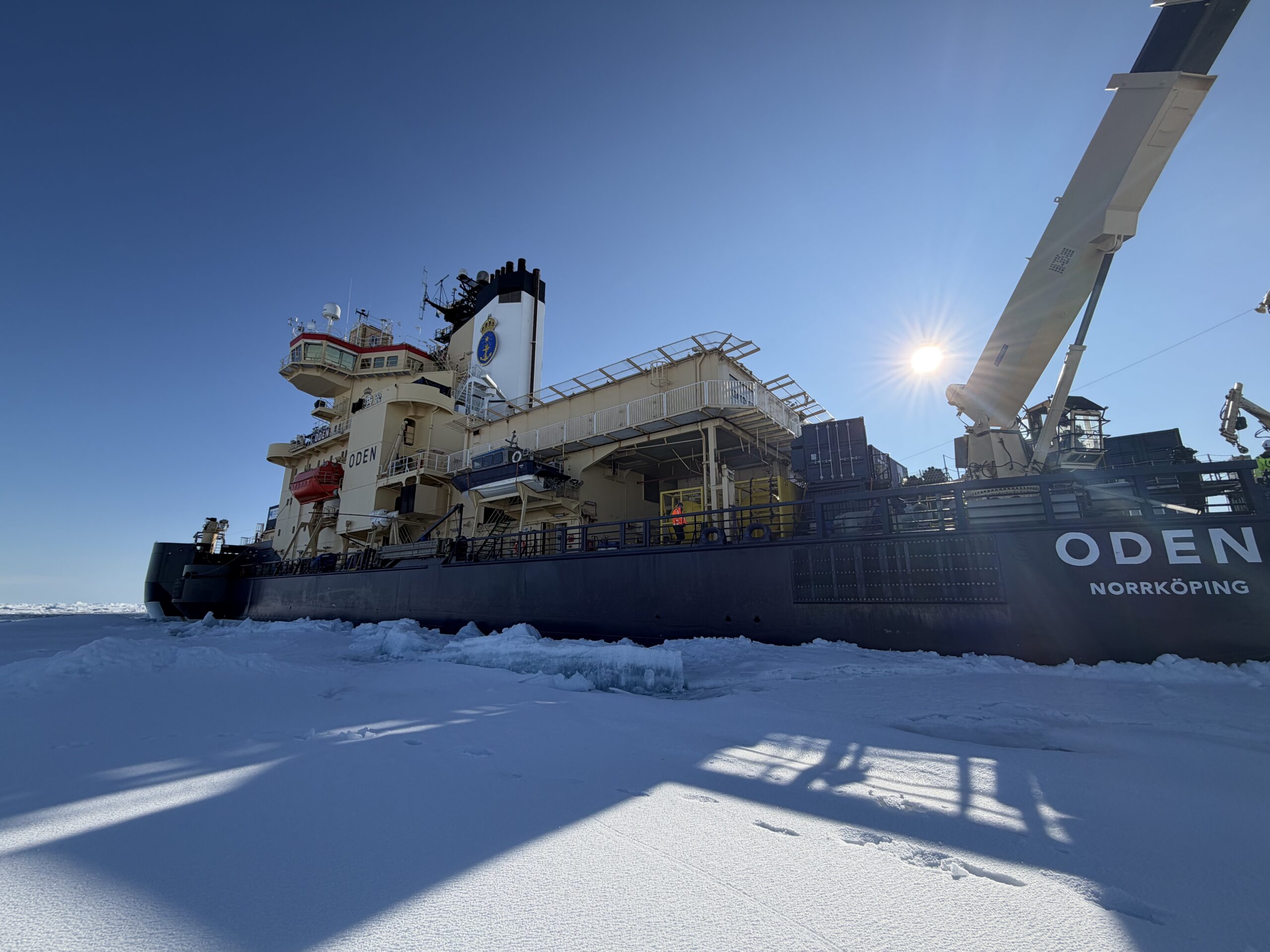
In late summer 2026, Sweden’s research icebreaker Oden carried out seabed measurements in preparation for a direct submarine cable connection from Northern Europe to East Asia through the Central Arctic Ocean. NORDUnet was onboard during this 18-day expedition.
“While building a submarine cable across the Arctic Ocean will be challenging, it is not too far from what has been done by this industry previously. It is not a mission to Mars.”
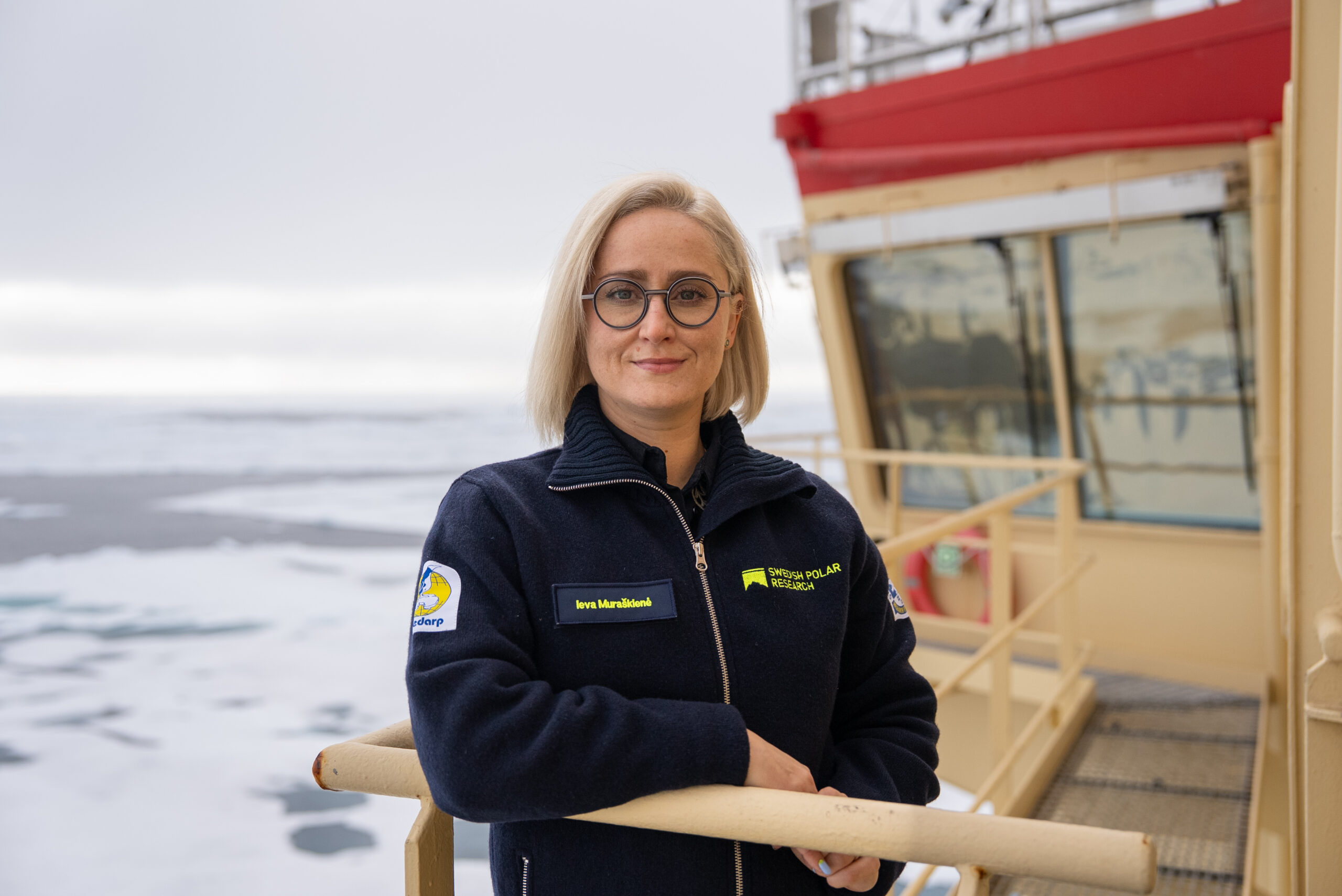
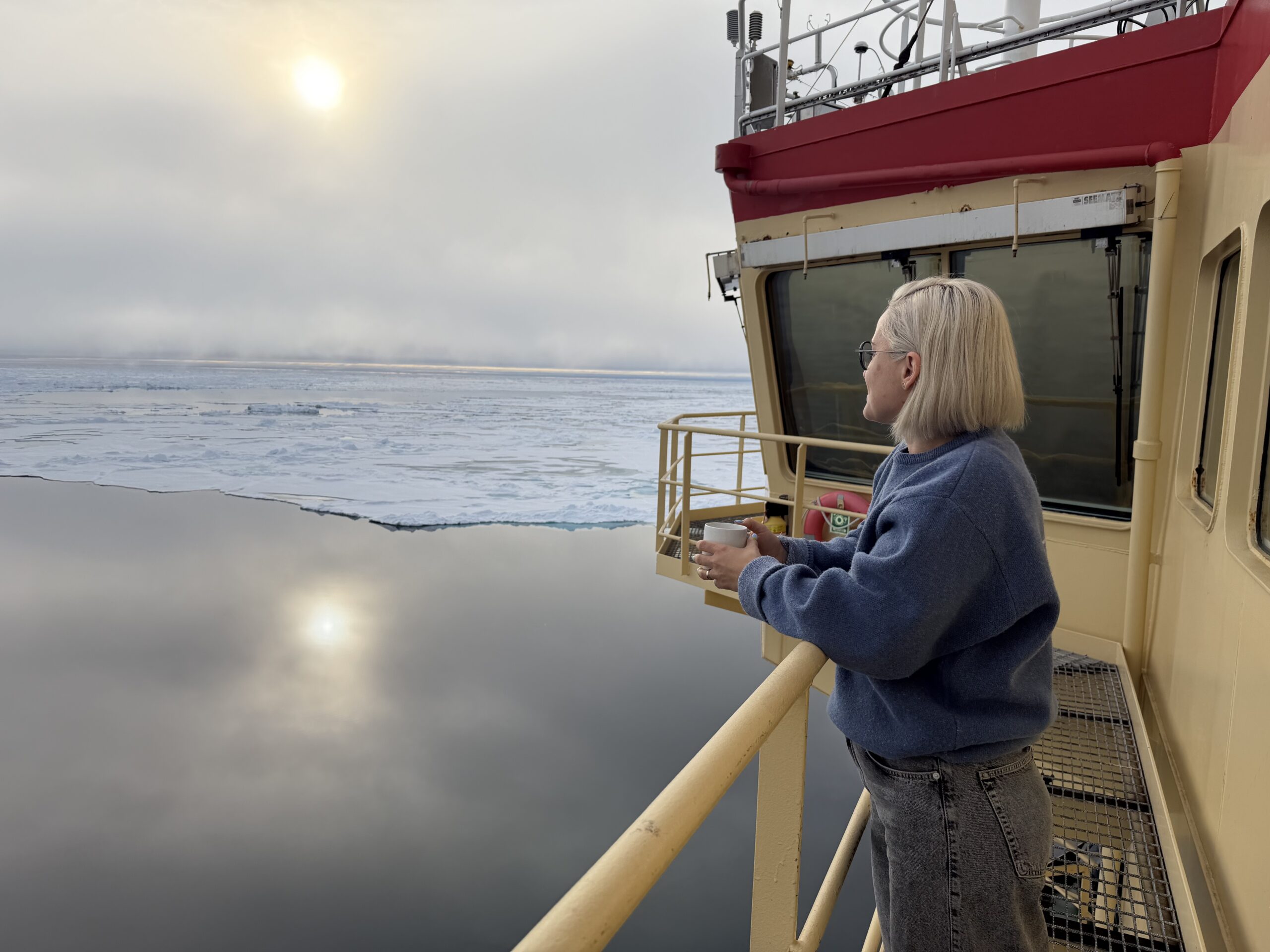
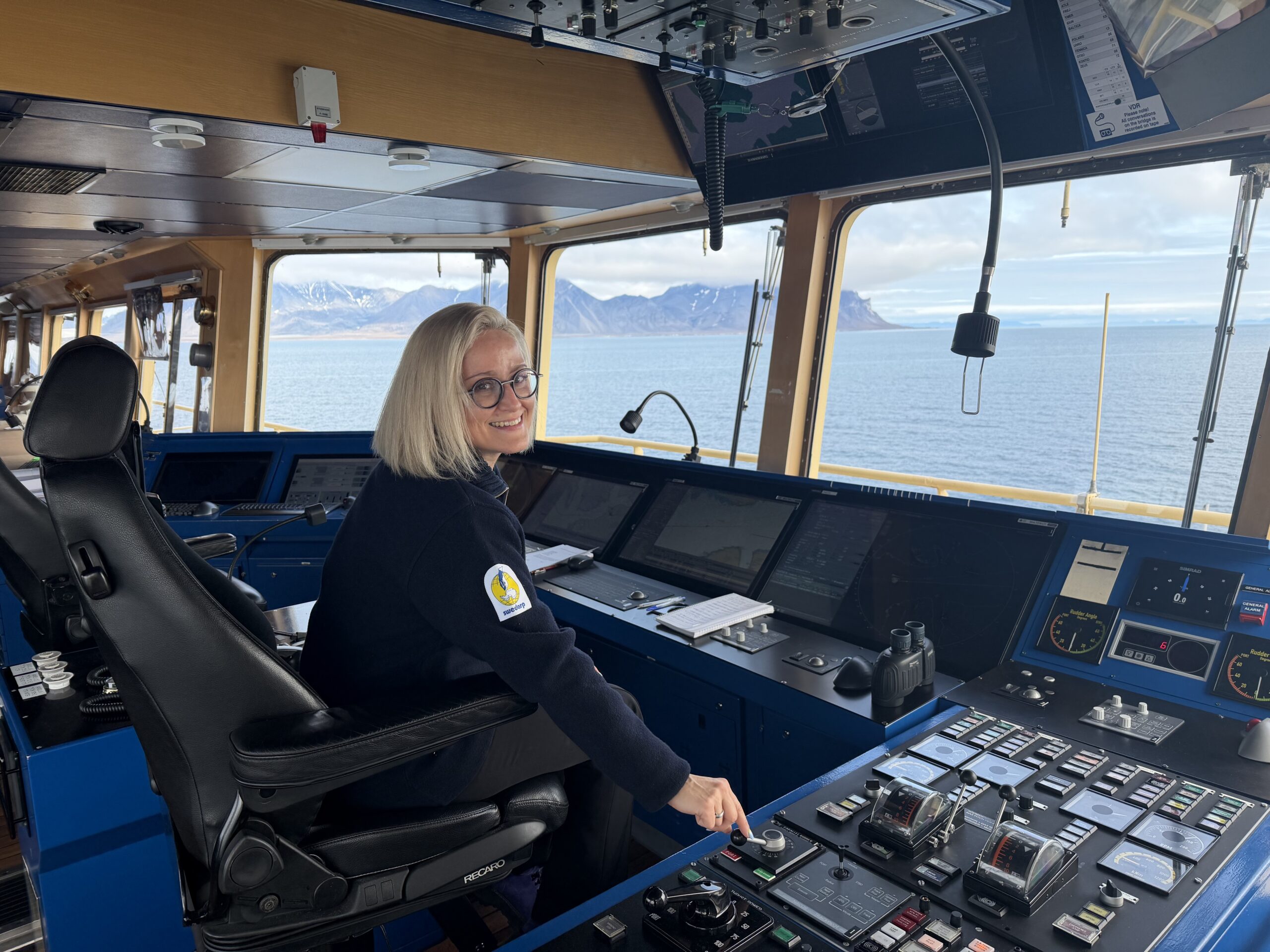
As Strategy and Policy Officer at NORDUnet, Ieva Muraškienė has spent most of her work life in recent years on the preparations for a submarine cable across the Central Arctic Ocean. Still, standing at the bridge of one of the world’s most powerful icebreakers, Sweden’s Oden, was a new experience. In her own words from a post at the expedition blog:
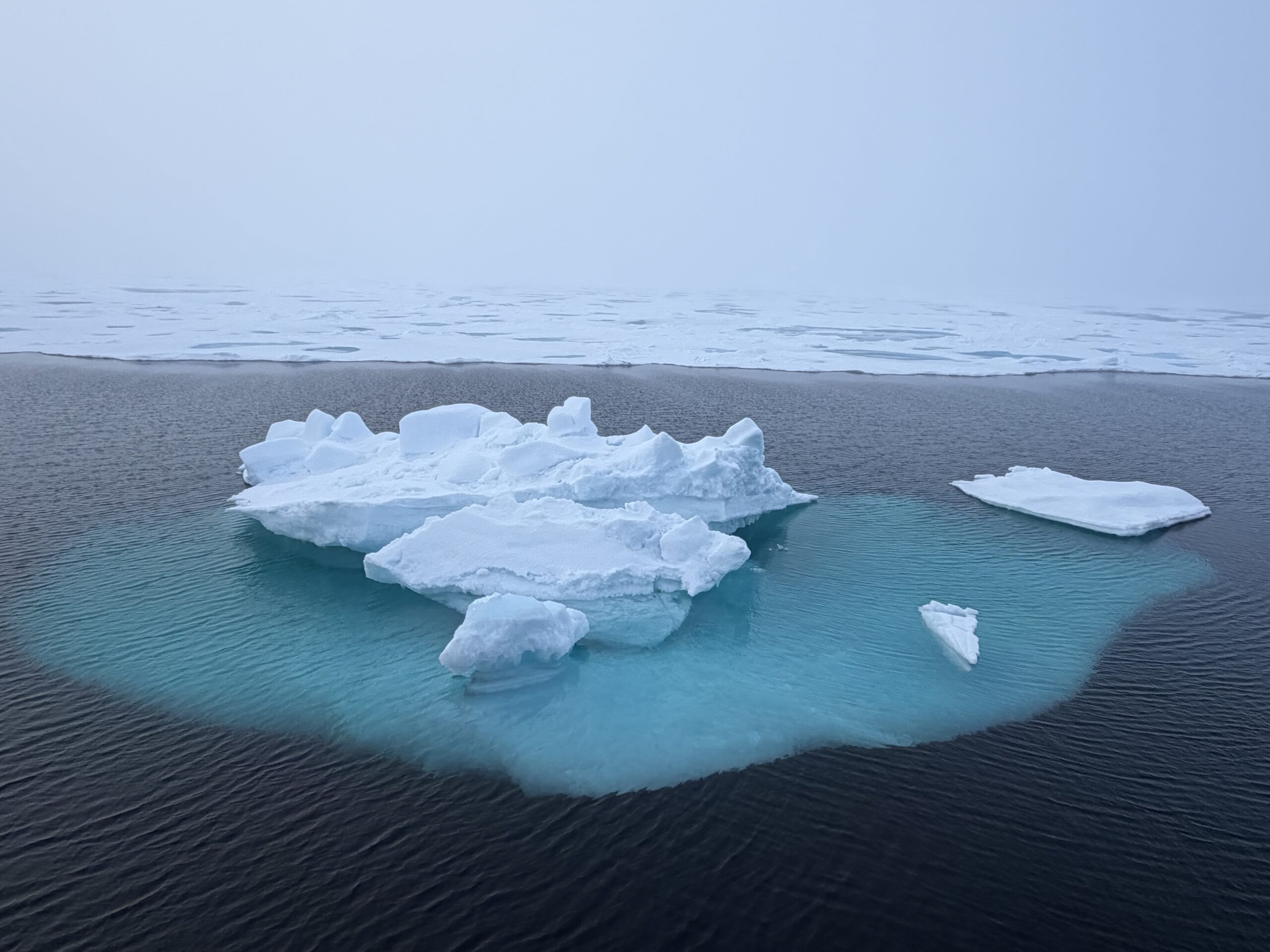
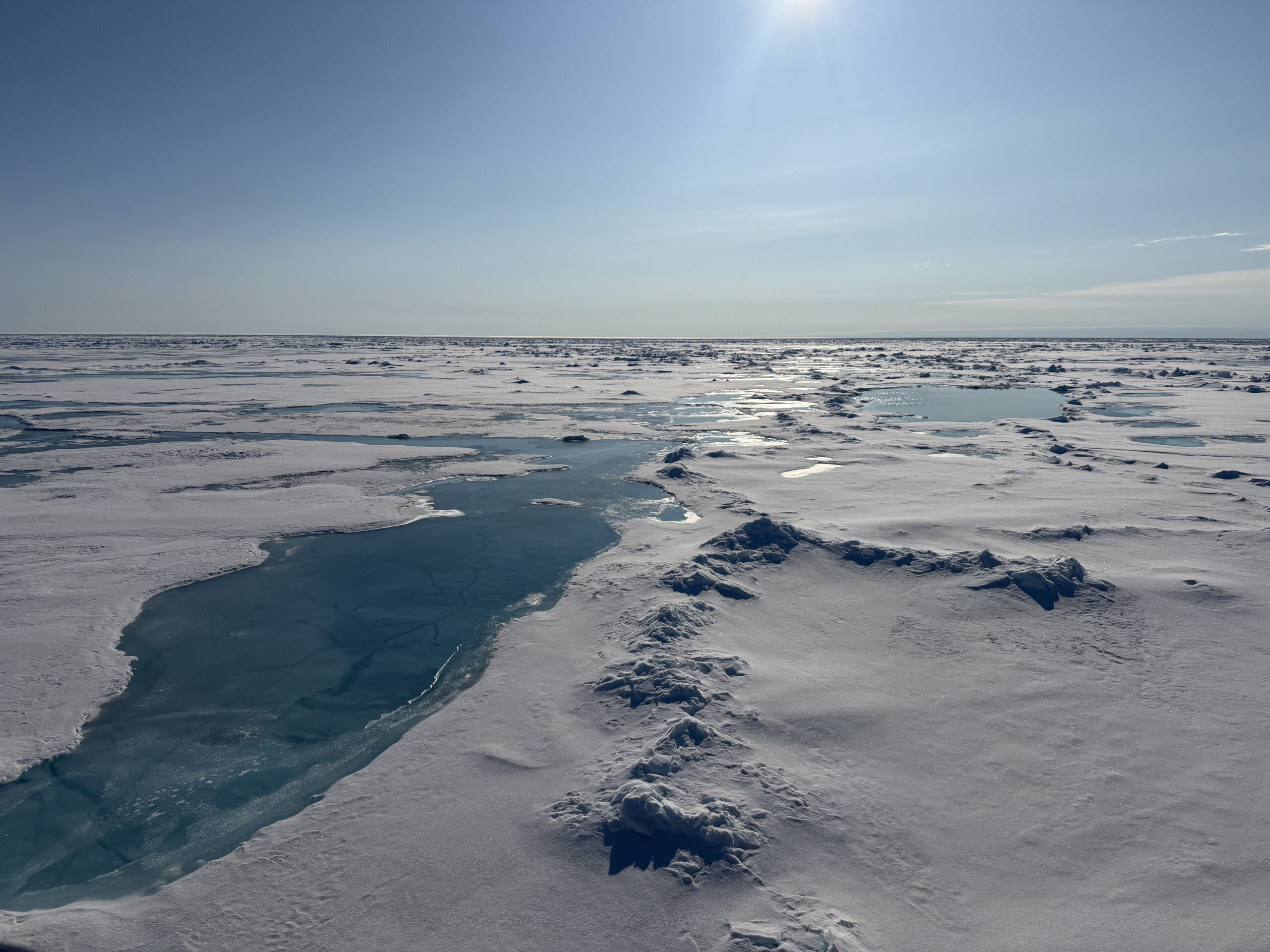
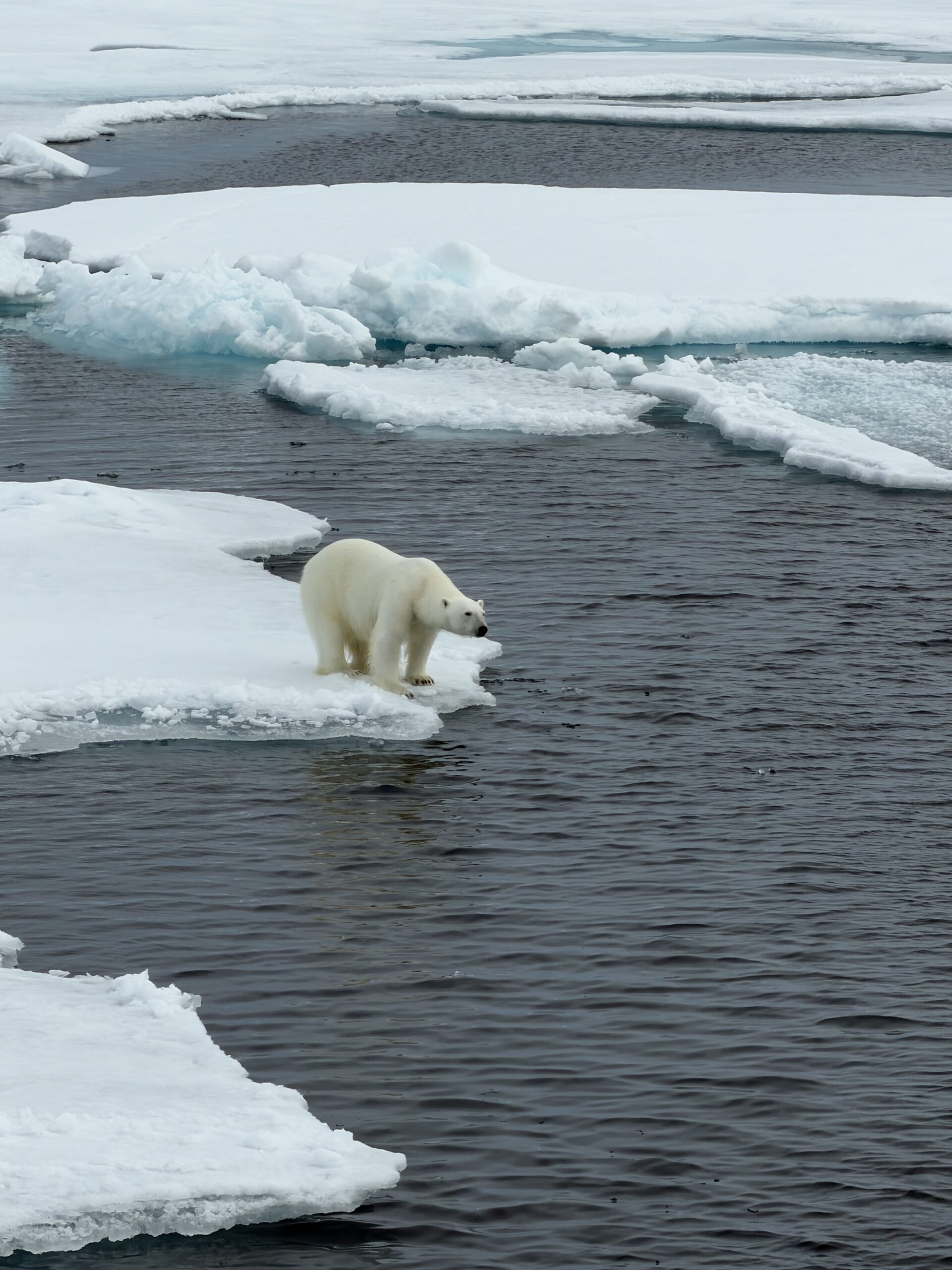
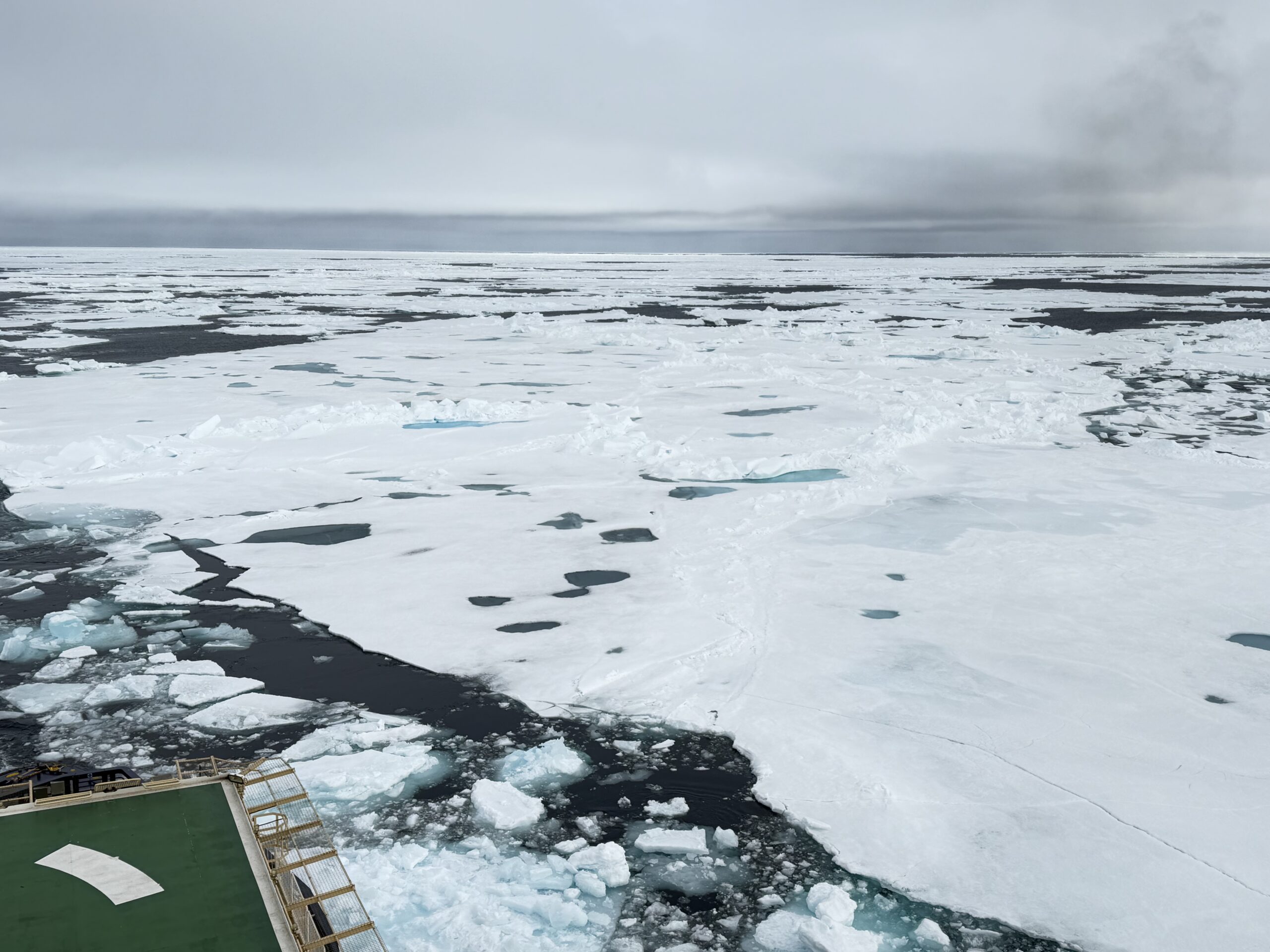
“Some mornings the ice is scattered floes on dark, glassy water like little islands of white. Other days it looks almost completely continuous white in every direction, and Oden continues a persistent rhythm that you feel thrumming all over the ship. There have been days of genuinely mesmerizing calm – pure bright daylight, no wind, turquoise patches of melt ponds on white ice floes – a true mirage. And there have been moments when floes were thick enough to stop us for a moment before we backed up and pushed on again.”
Why seabed mapping matters
Once completed, the Polar Connect submarine cable system will contribute with much needed resilience to the global digital infrastructure. For instance, the cable route through the area of the Suez Canal and the Red Sea is used by many cables which is a high-risk factor, especially considering the geopolitical tensions in that region.
The Polar Connect cable is to follow a route almost touching Svalbard, then continuing under the sea ice close to the geographic North Pole, and from there North of the Canadian Archipelago, towards North America and East Asia. The exact cable route will depend on the profile of the seabed and ice conditions. Certain seabed features, especially underwater volcanoes and steep slopes and mountainsides, must be avoided, as well as extremely hard multi-year ice.
To contribute to the route preparations, NORDUnet, together with the Swedish Polar Research Secretariat and the Swedish Research Council/Sunet, commissioned icebreaker Oden for a three-week seabed mapping expedition.
“The expedition gave us a wealth of high-quality data for a previously unmapped part of the route. We did find volcanoes and other challenging features, but overall, it was nothing out of the ordinary. For instance, several cable routes in the Pacific Ocean have had to overcome much worse geophysical conditions,” says Ieva Muraškienė.
The choreography of a cable-laying campaign
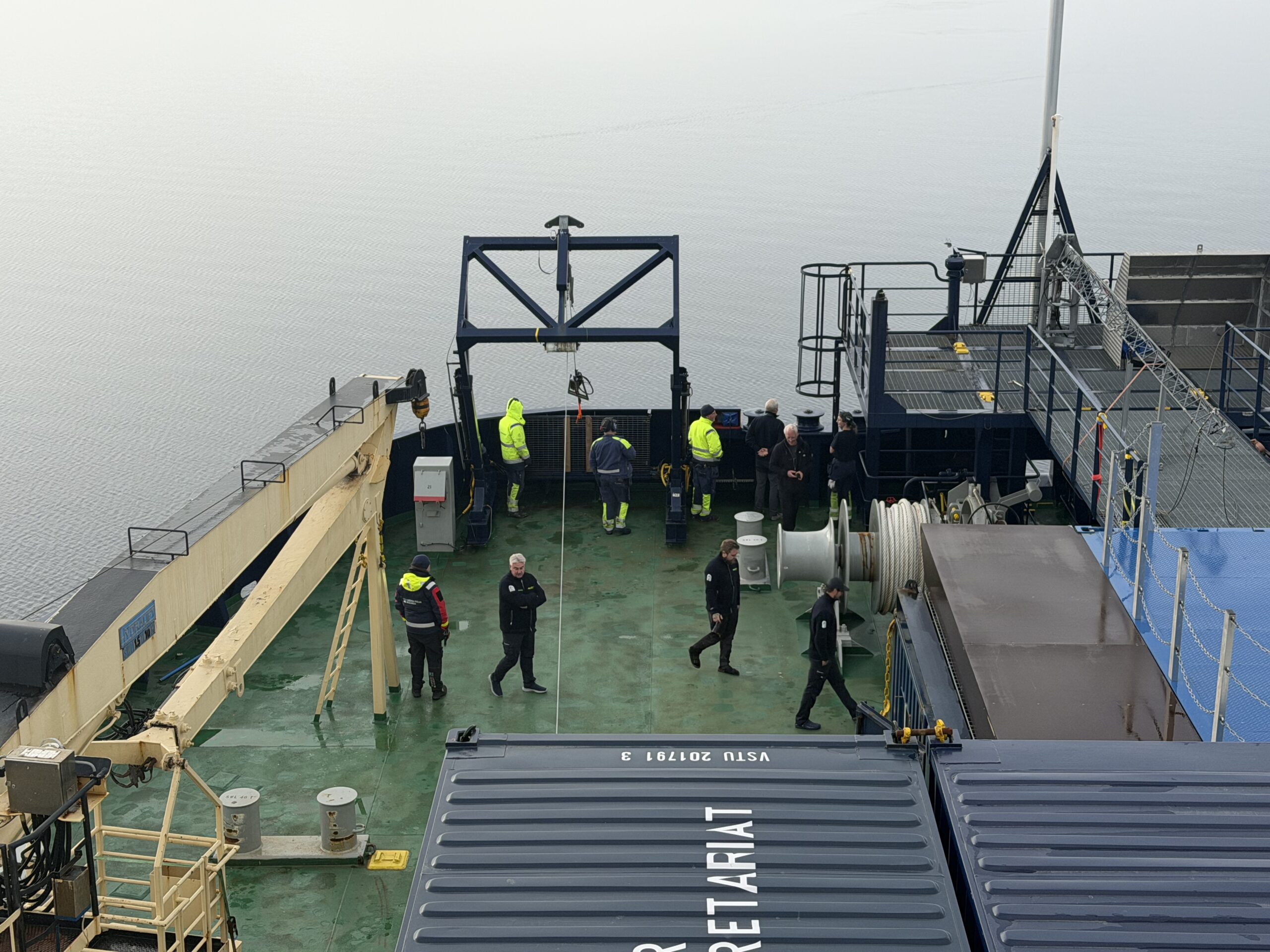
Besides the seabed mapping and scientific measurements, the expedition brought together the Polar Connect team and various other experts, providing them with first-hand insights into challenges and possibilities for a future cable-laying campaign through the Central Arctic Ocean.
“Icebreaker Oden served as a working environment. Notably, several industry players with experience in marine operations for cable-laying and repair had accepted invitations and were onboard. This allowed us to have in-depth discussions around topics such as ice management, vessel design and the number of vessels needed, and the capabilities needed for various scenarios for the laying and maintenance of the future Polar Connect cable system,” explains Ieva Muraškienė.
Laying a cable will be a complex multi-vessel task comparable to a scientific coring expedition. Icebreaker Oden will be essential for the operation to perform near-ice management. A more powerful icebreaker of PC2+ class will be needed to perform far-ice management and scouting, and in severe sea-ice conditions another strong icebreaker is expected to take part in the campaign to ensure that the cable-laying vessel is sufficiently protected during the deployment of the cable. Moreover, the maneuvering of the fleet as a unit will be a coordination challenge that requires additional attention and preparations.
“Ensuring accurate interplay and communication between the different vessels is perhaps the point where the operation will differ most from previous cable-laying operations in waters without sea ice. Still, it was reassuring to hear from the people with experience in both operating in Arctic conditions and cable-laying, that what we are aiming at with Polar Connect is absolutely doable,” Ieva Muraškienė concludes.
The Polar Connect 2026 Expedition took place from 24 July to 10 August 2026. The objective was seabed mapping, data collection, and cable route pre-surveying for the future Arctic fiber-optic infrastructure. Partners from the Polar Connect Initiative were the Swedish Research Council/Sunet, NORDUnet, the Swedish Polar Research Secretariat, and CSC. Co-funding was provided by the European Union through CEF Digital.