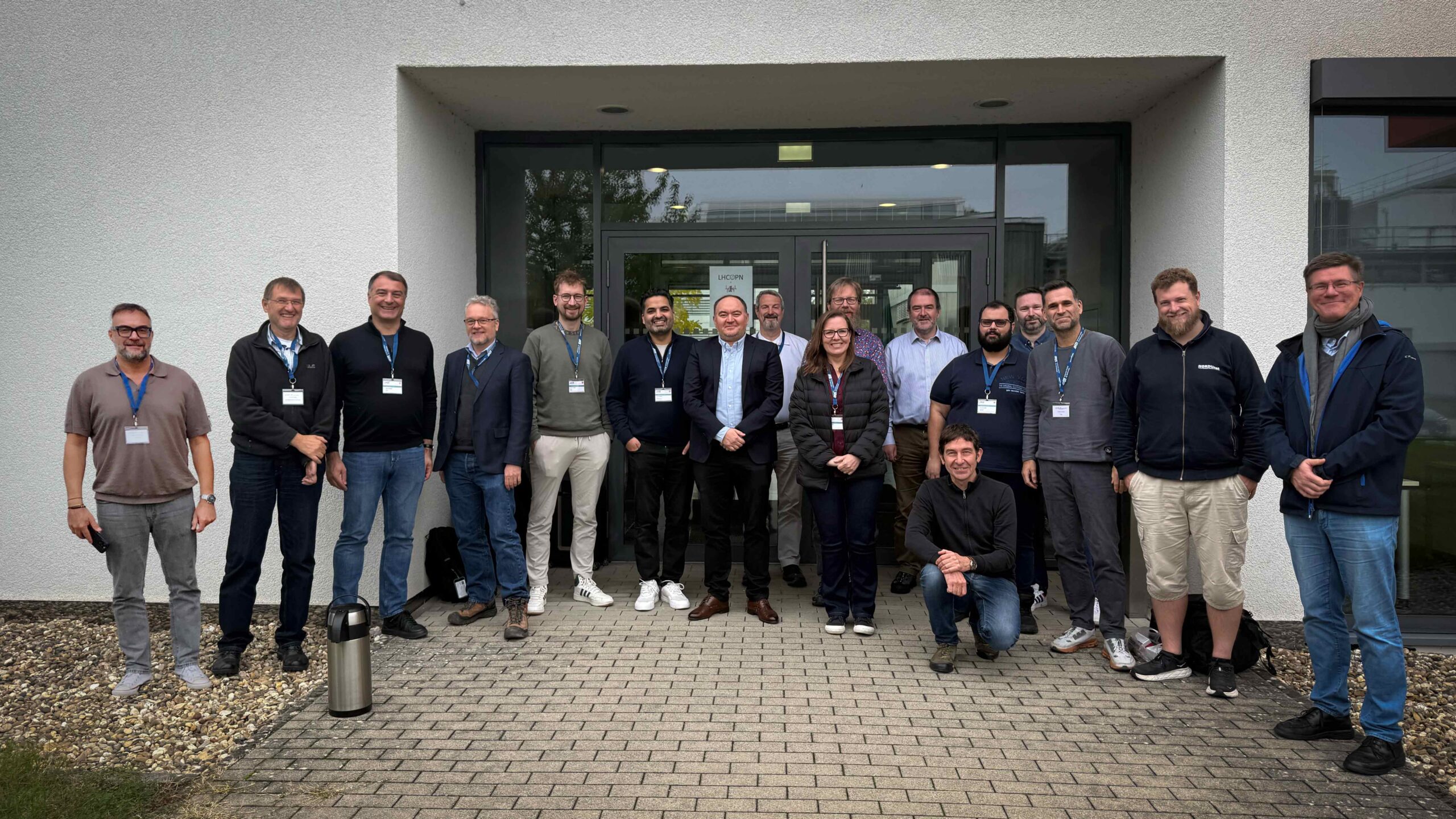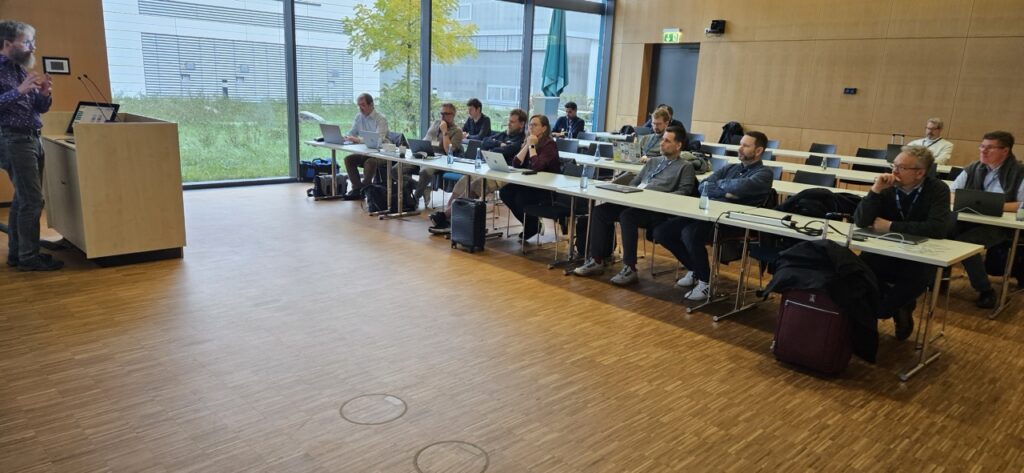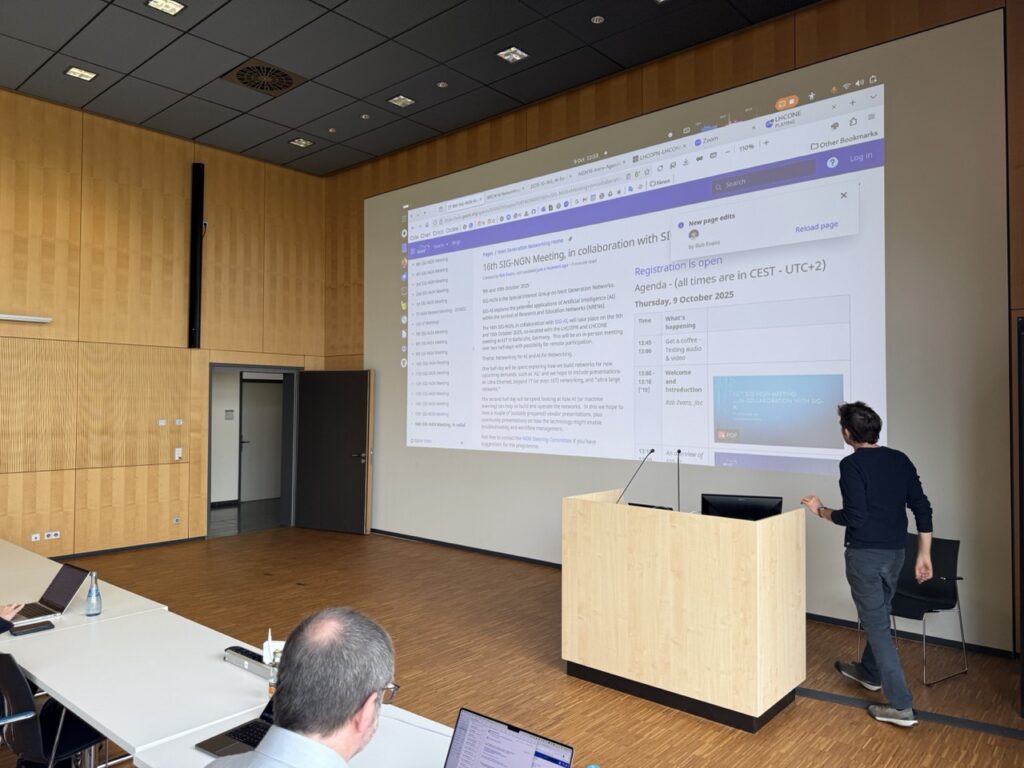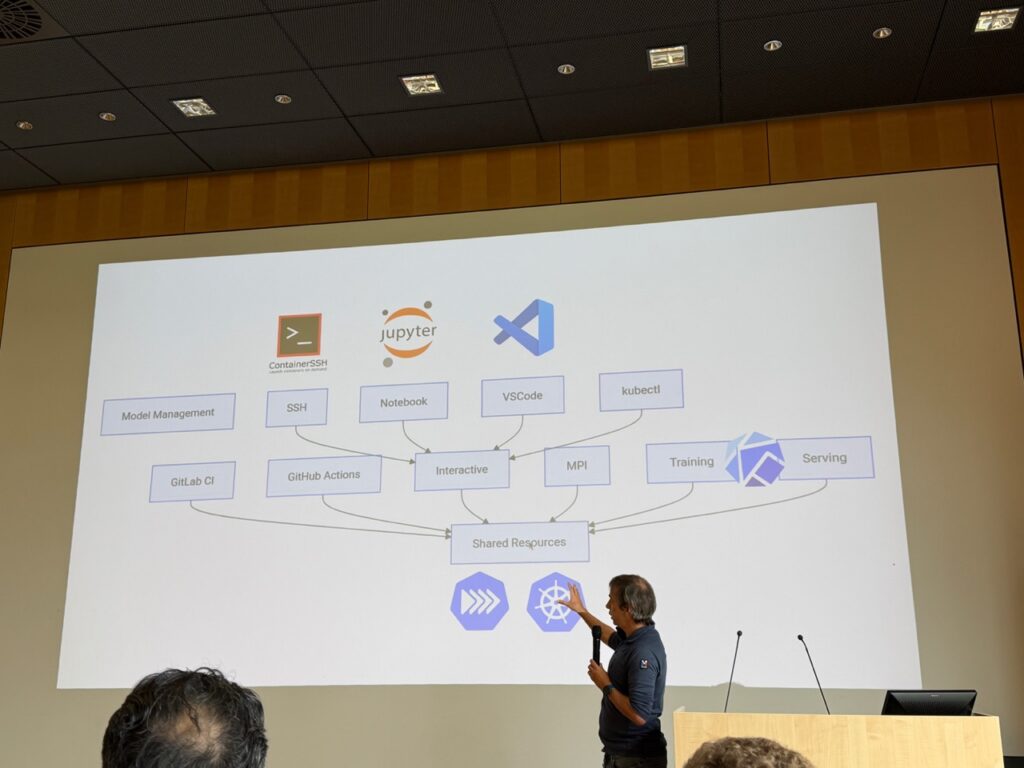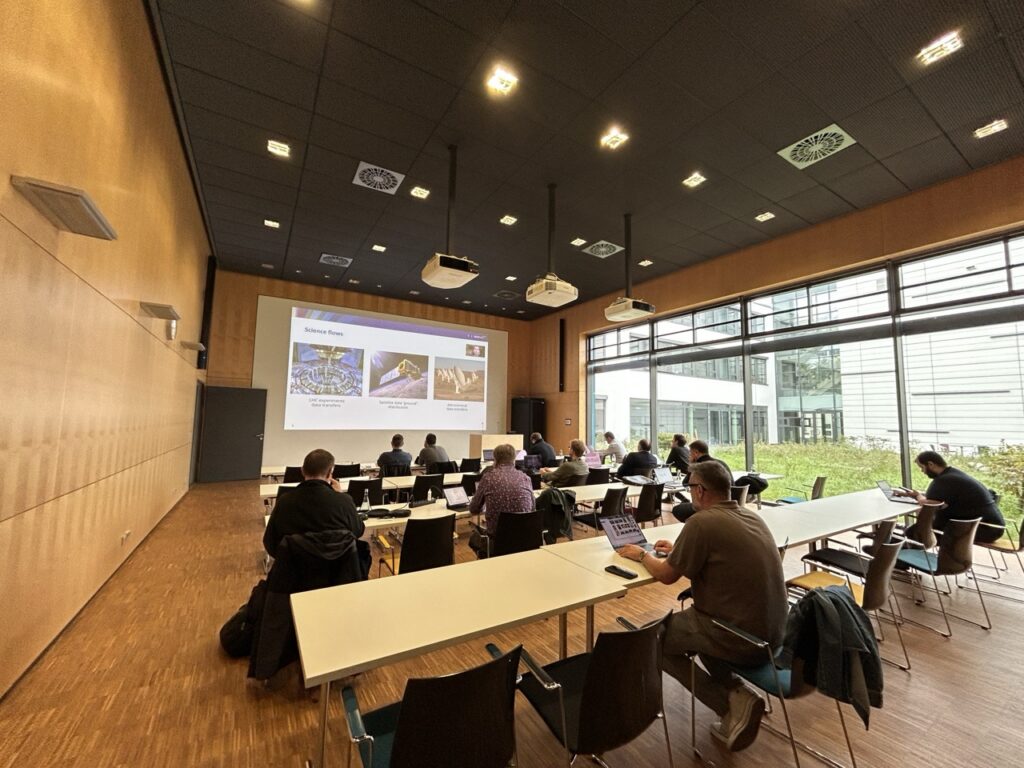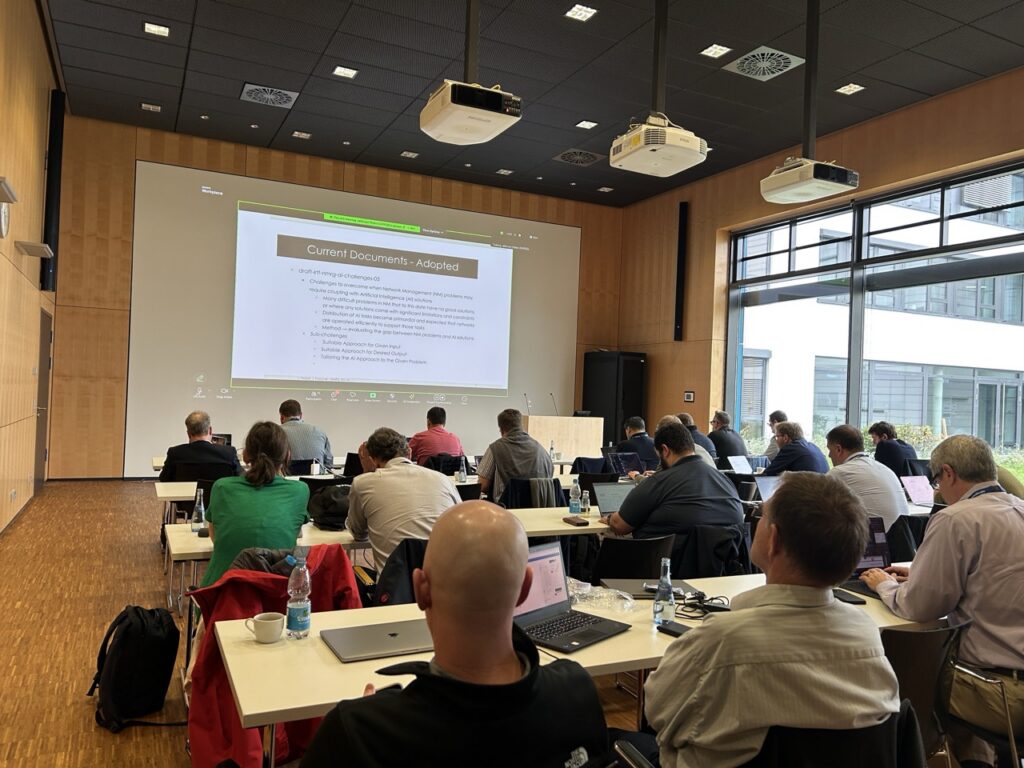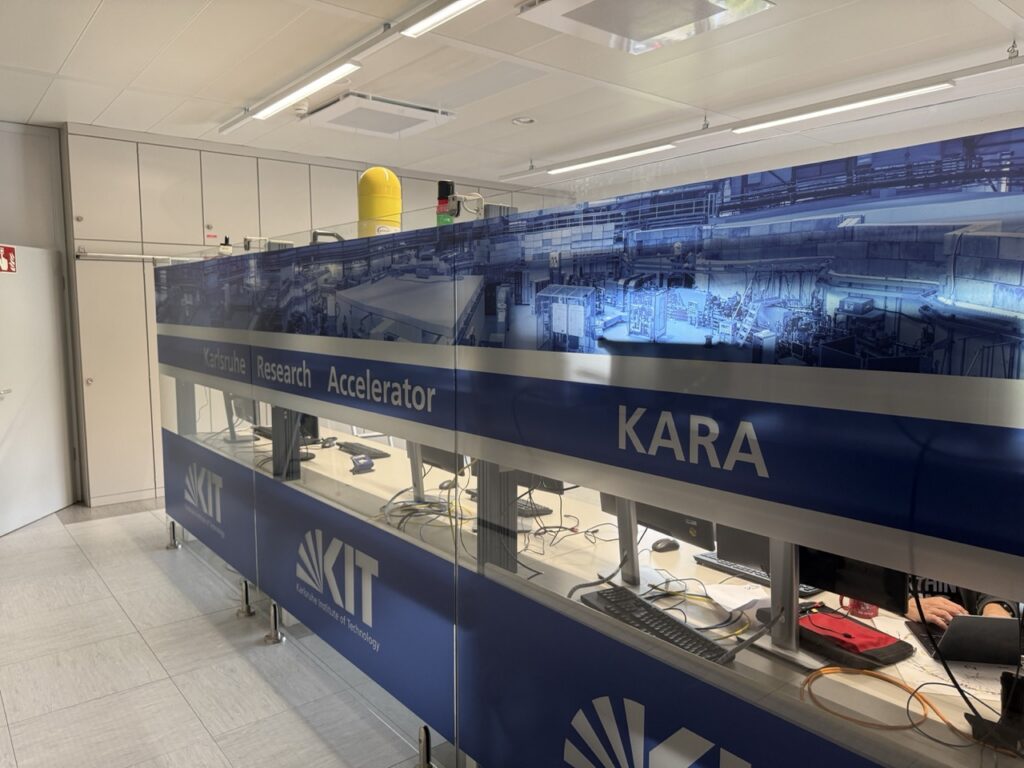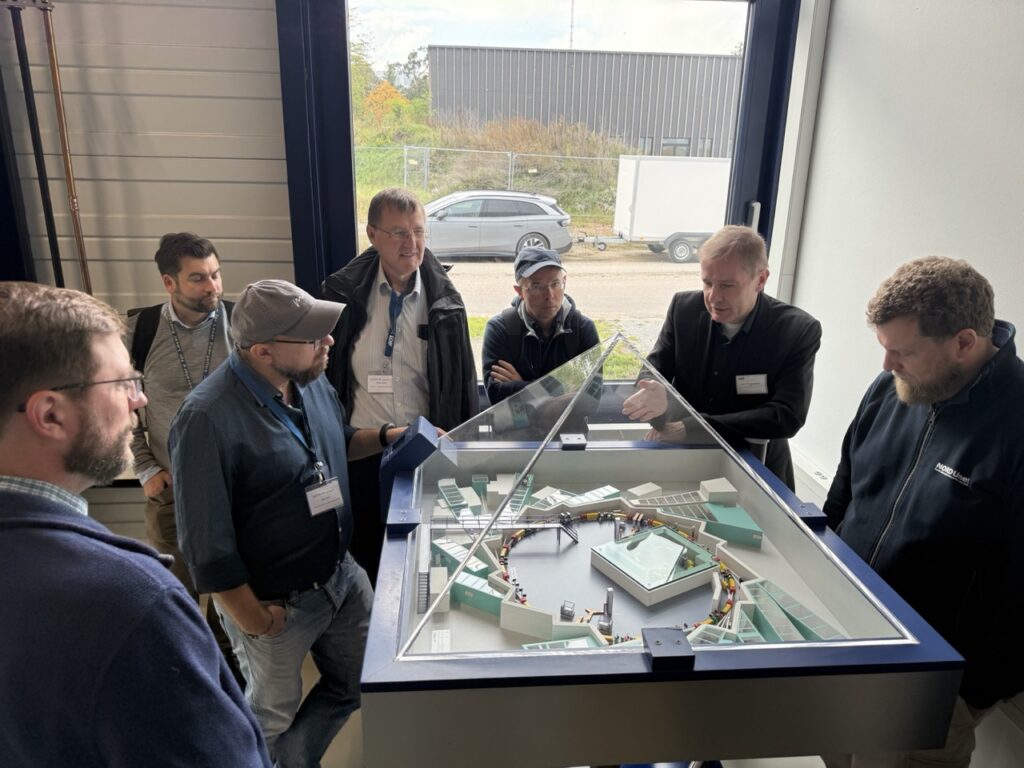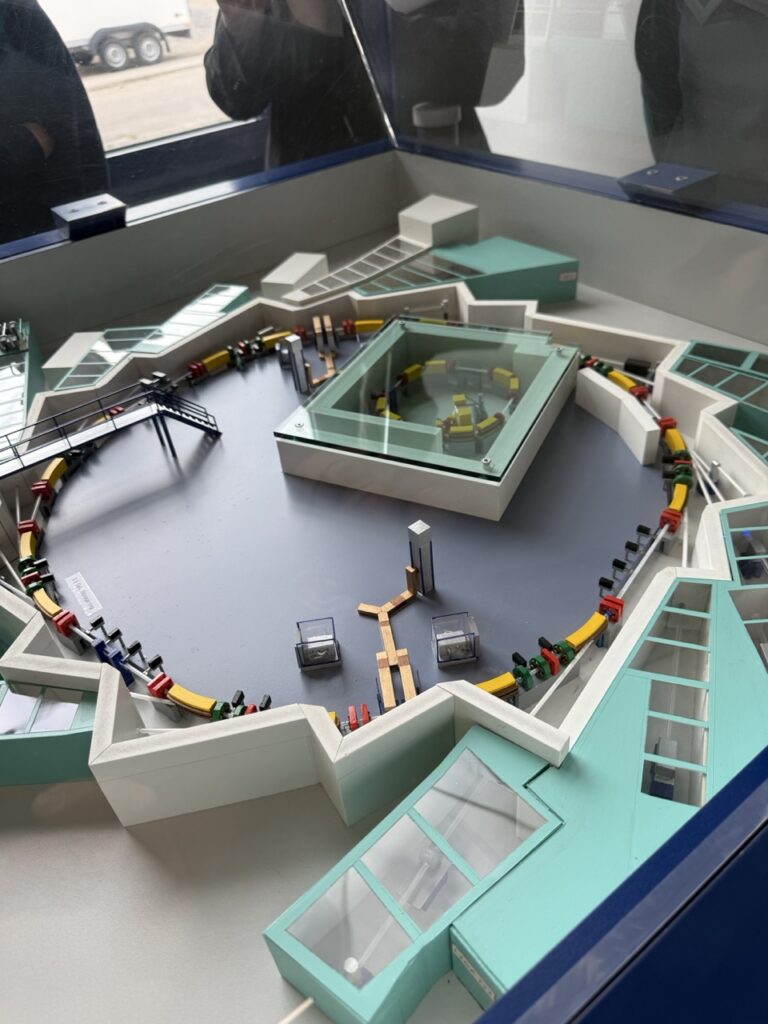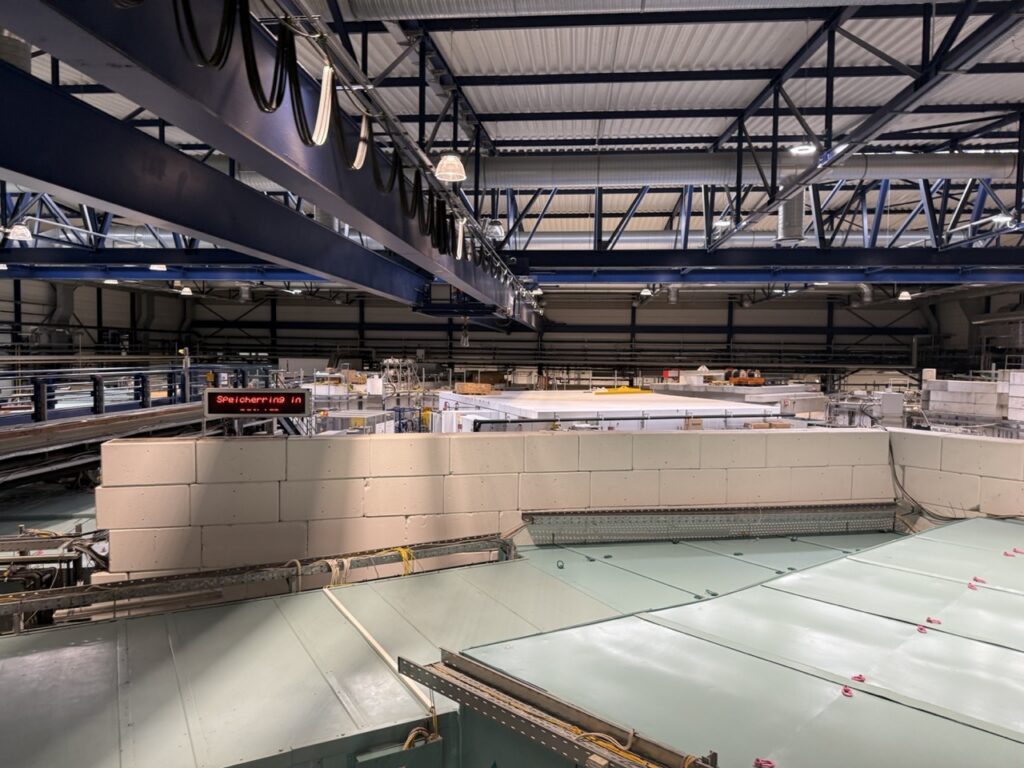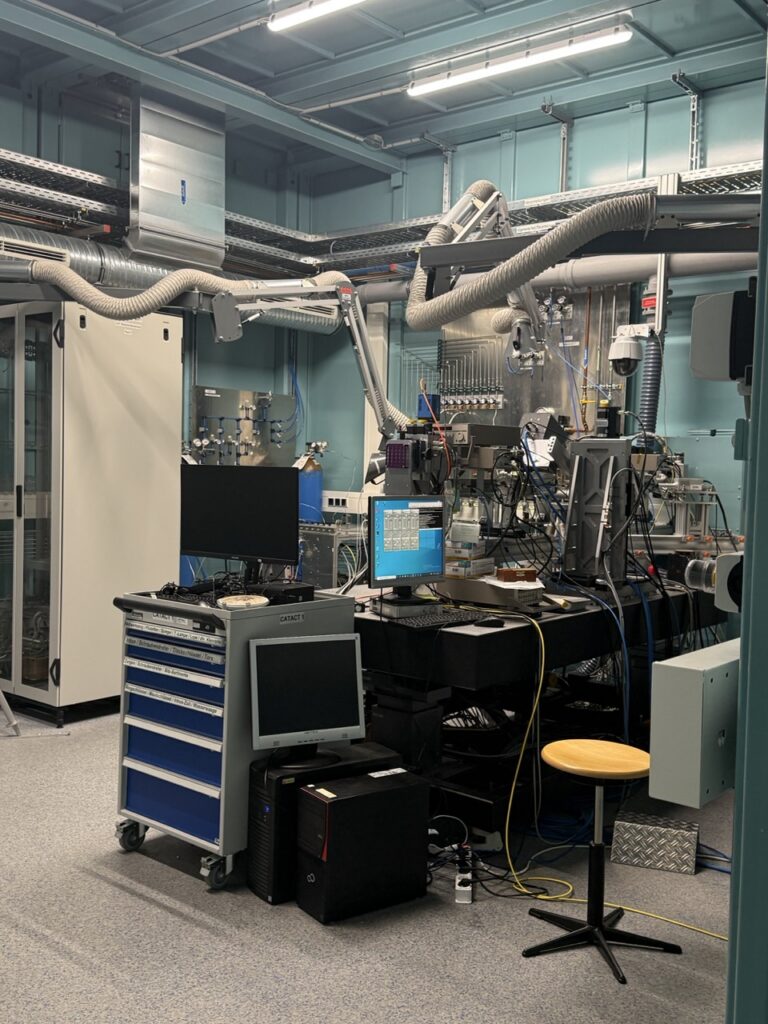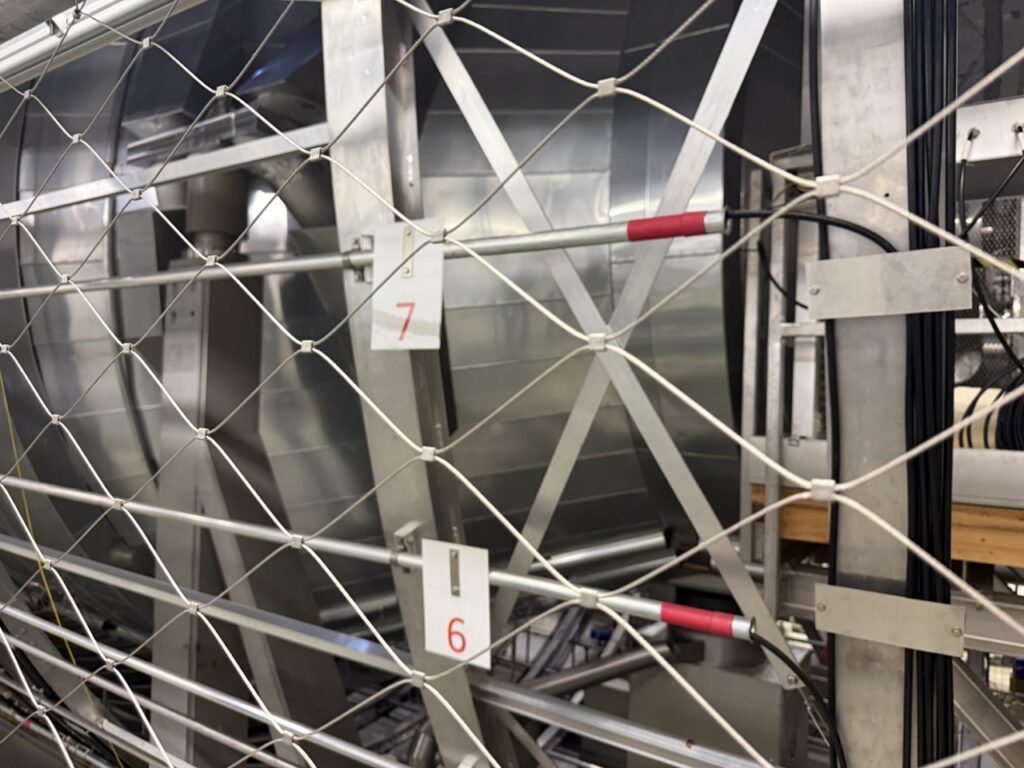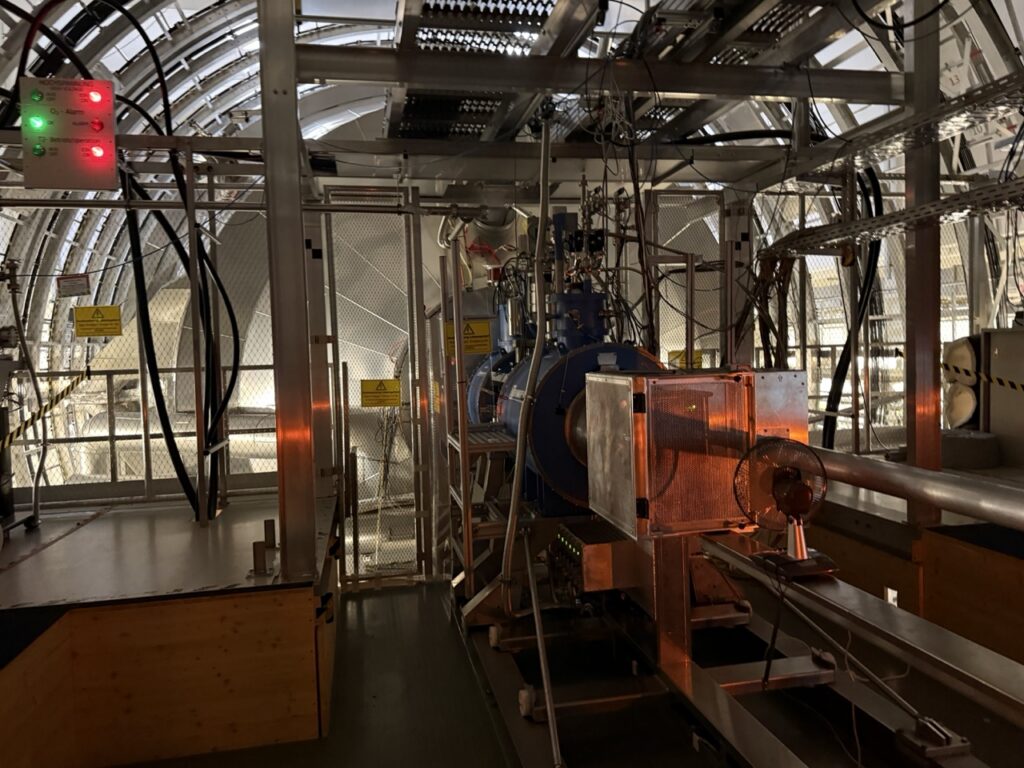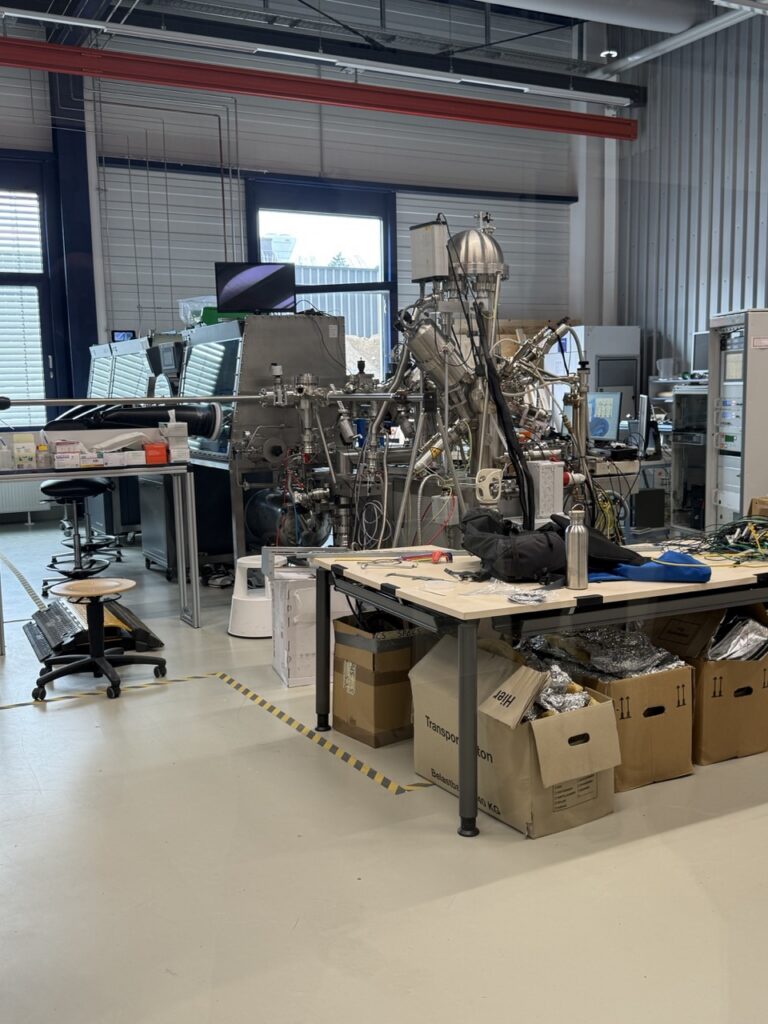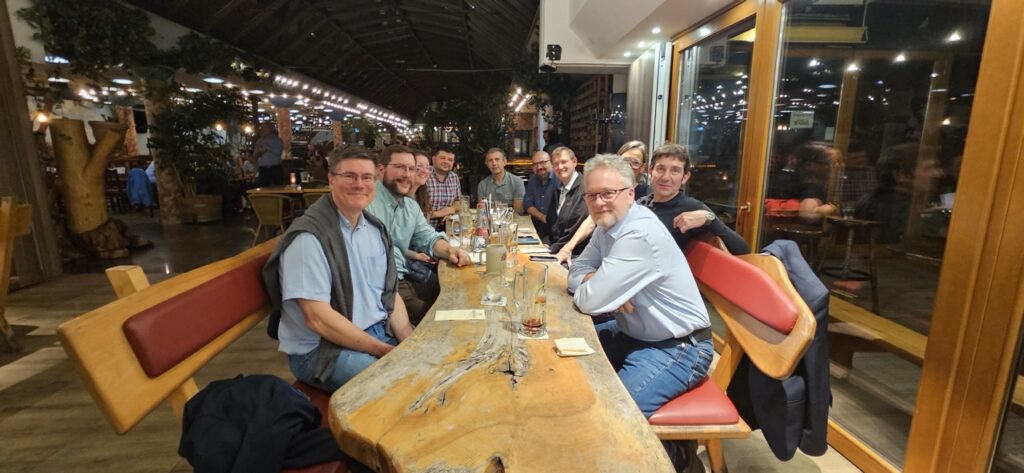

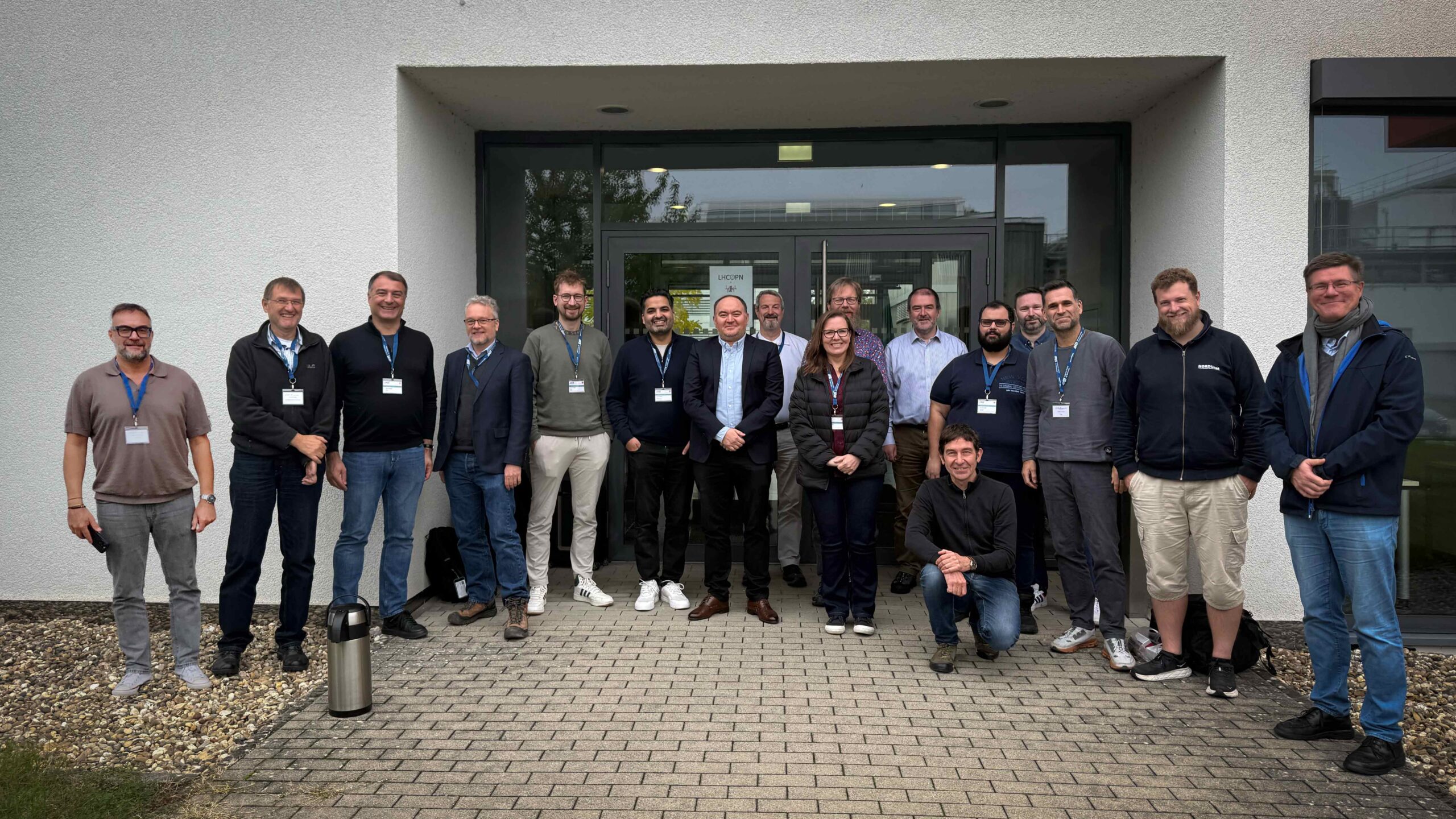
Experts in networking and data-intensive science from Europe, North America, South America, and Asia gathered in Karlsruhe, Germany, for a joint week of meetings at the Karlsruhe Institute of Technology (KIT). The co-located 55th LHCOPN-LHCONE meeting and 16th GÉANT SIG-NGN meeting brought together key figures from the global research networking community to share insights, coordinate plans, and explore new technologies. Hosted by KIT — a research centre with a long-standing tradition in high-energy physics, scientific computing, and high-performance networking — the meetings highlighted both the technical challenges and the spirit of collaboration driving the world’s most data-intensive scientific projects.
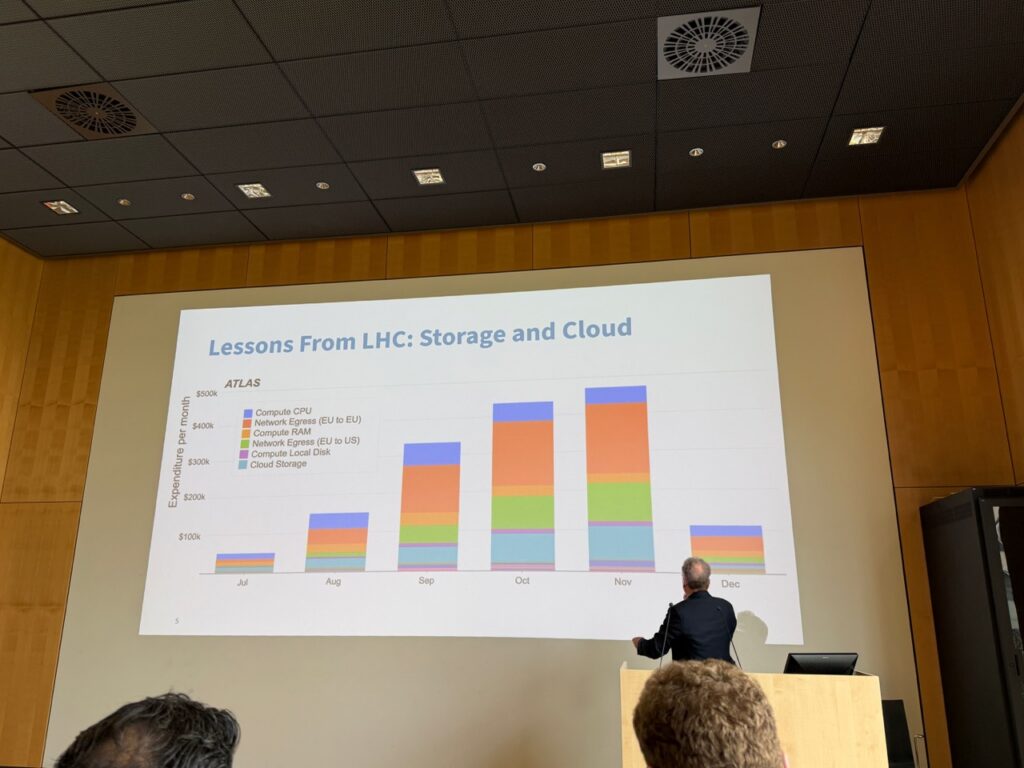
The LHCOPN-LHCONE meeting focused on preparing the global network infrastructure for the High-Luminosity Large Hadron Collider (HL-LHC), the next-generation upgrade to CERN’s flagship experiment. With vastly higher luminosity and data volumes expected, participants reviewed experiment status reports, upcoming data challenges, and the network capabilities required to meet future needs. A major theme was the transition to IPv6, with plans outlined for completing the move to a v6-only infrastructure. Technical discussions also explored developments in traffic engineering, network monitoring, and emerging techniques such as packet marking — all essential tools for managing the immense data flows that will power the next decade of high-energy physics research.
Also during the week, the GÉANT SIG-NGN (Next Generation Networking) meeting examined how advances in artificial intelligence intersect with networking. The first day focused on the network demands of large-scale AI, where researchers and vendors discussed the enormous data requirements of AI training and inference, and the technological innovations — both iterative and disruptive — that will enable networks to keep pace. The second day reversed the lens, exploring how AI can be harnessed to manage and optimise complex networks. Presentations covered state-of-the-art applications of AI in network management, workflow automation, and load balancing, as well as the use of machine learning for analysing log and telemetry data to support network design and planning.
The meetings underscored how collaboration between the LHC networking community and next-generation networking experts continues to inspire progress across both science and infrastructure. NORDUnet, a long-standing partner in LHC networking and European network innovation, was proud to participate in these discussions. Many thanks go to KIT and Bruno Hoeft for their excellent organisation and warm hospitality, ensuring a productive and forward-looking week in Karlsruhe.